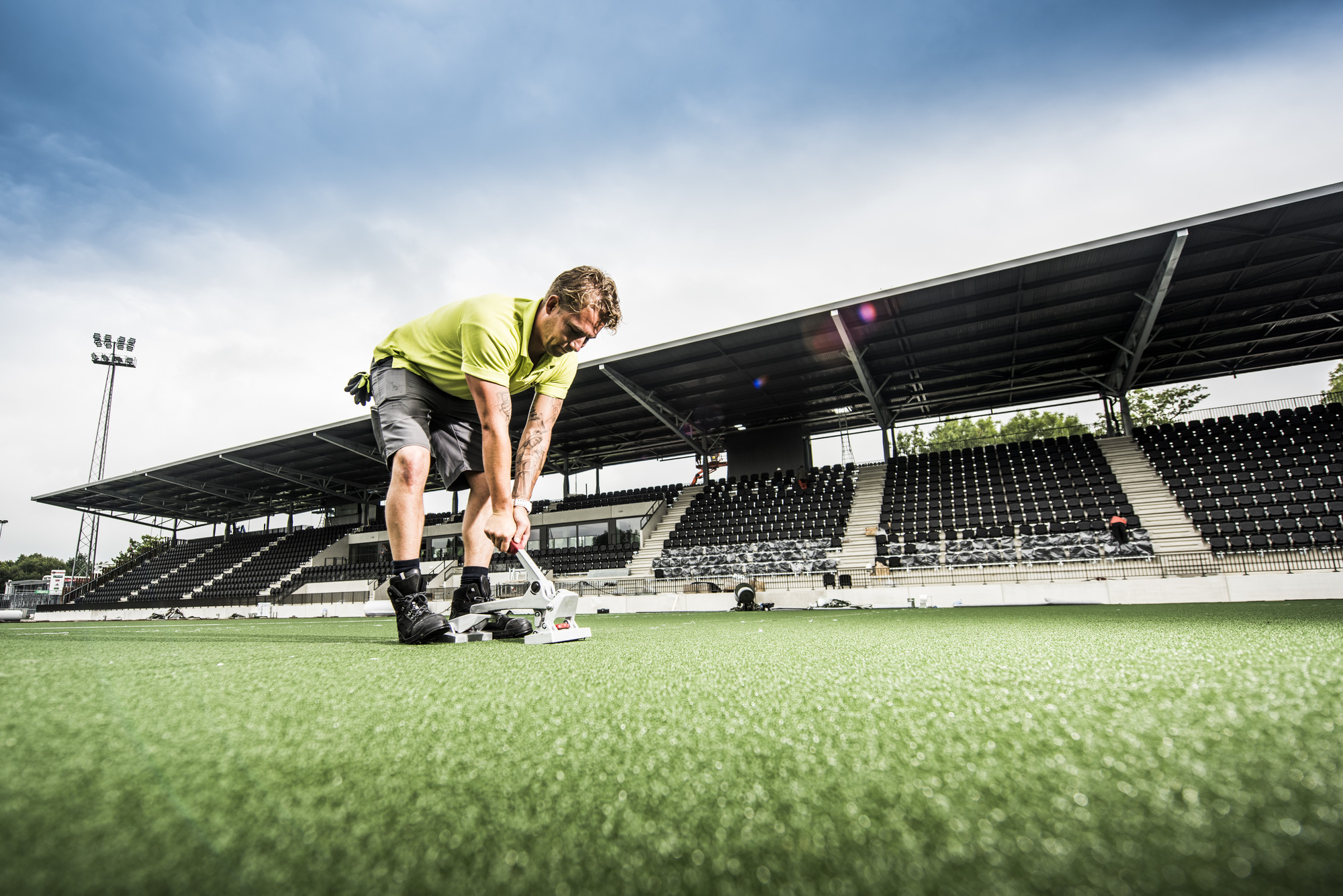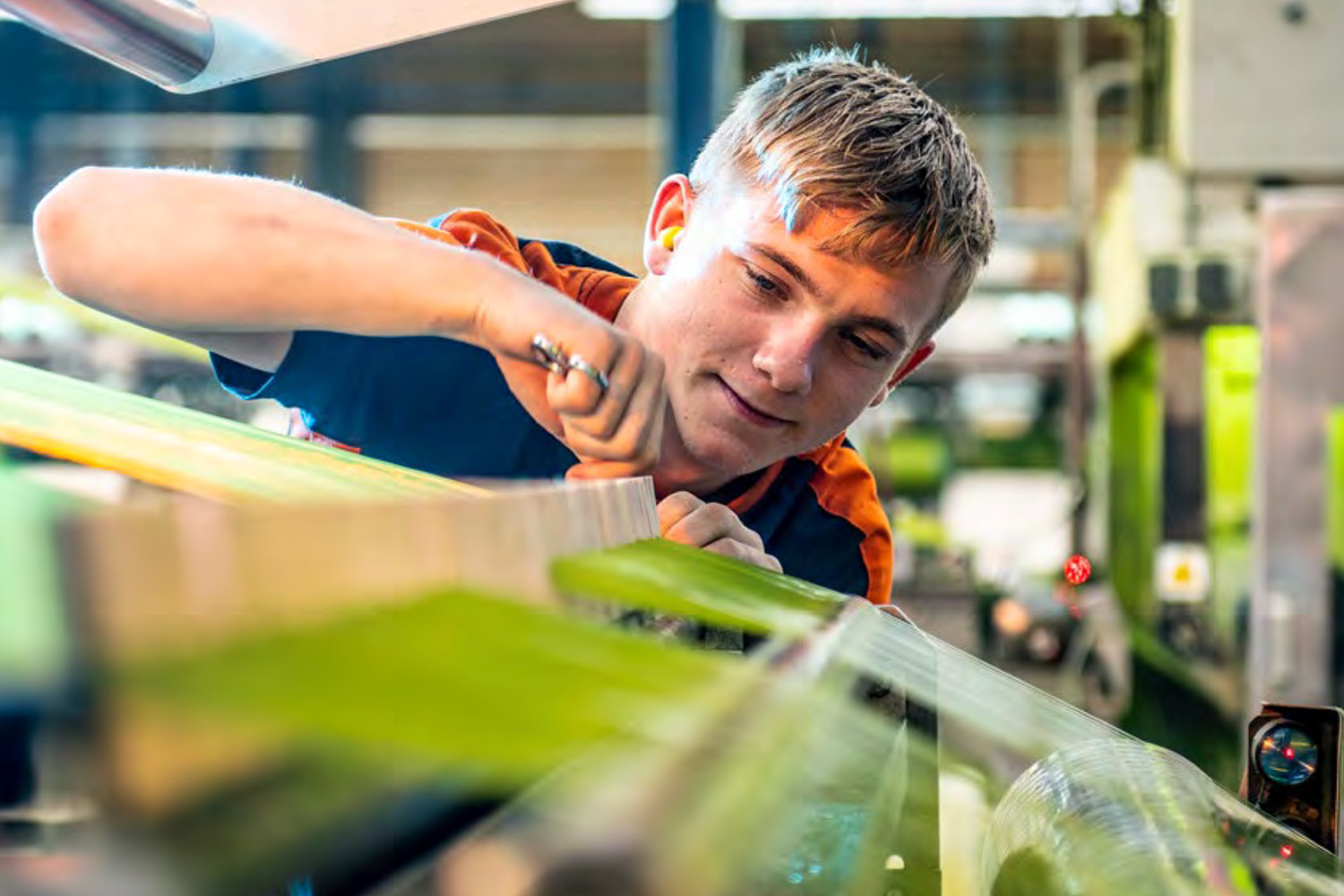
With close to 5,000 employees in over 60 countries, TenCate builds workplaces where people can develop and contribute. Local teams work with autonomy, supported by shared standards for safety, learning and ethics.

Shaping the future of turf takes more than innovation. It calls for direction, discipline and clear priorities. The strategy is built on long-term value for people, the environment and the communities where turf is part of daily life. From circular design to access to play, each pillar marks a shift toward systems that perform, last and leave less impact.
 True circularity starts with better design. Single-polymer turf systems such as ONE-DNA™ and infill-free models like Pure PT, known as Pivot® in the USA, are developed for reuse, separation and material recovery. Every new product considers the full lifecycle from the start.




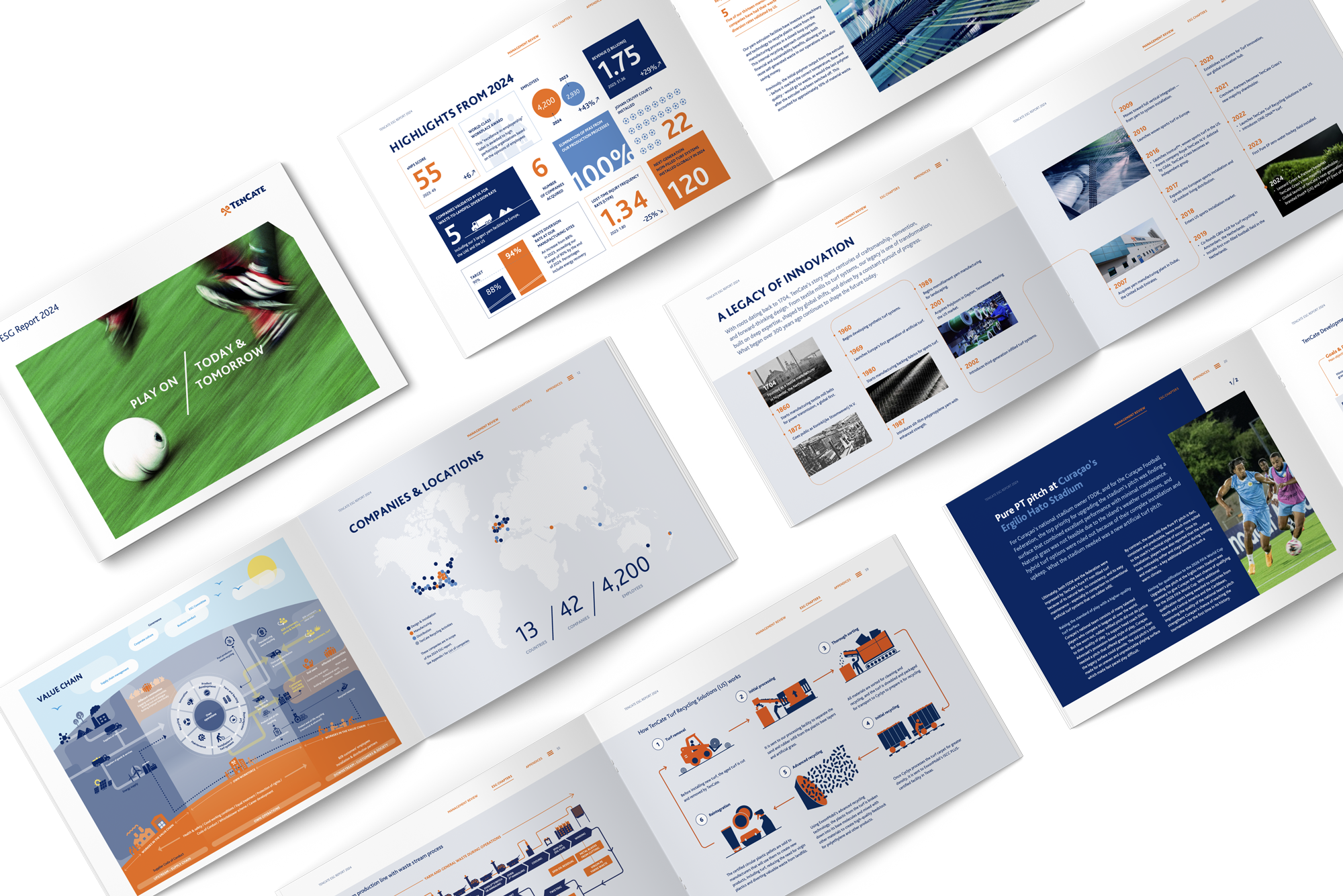
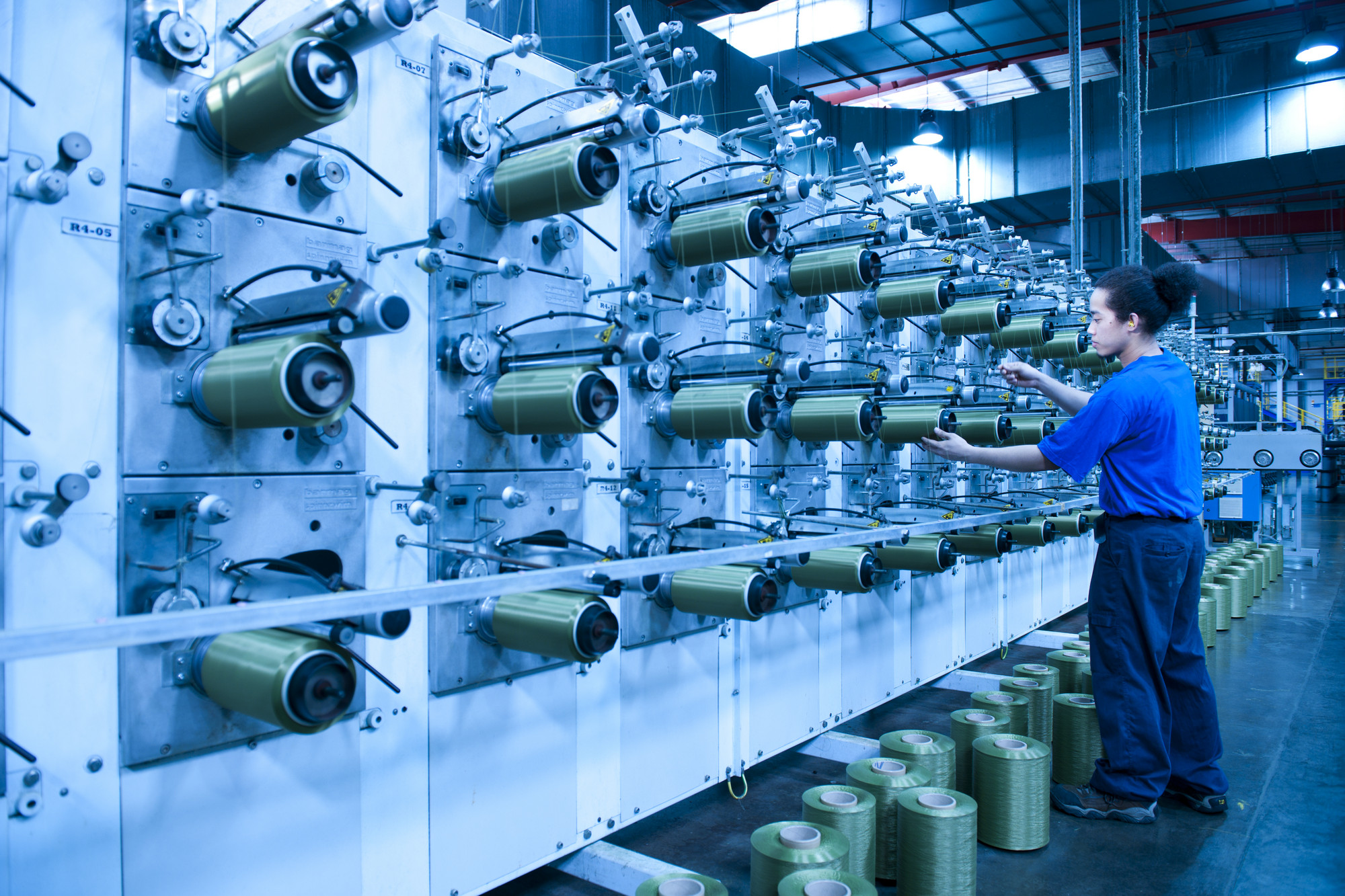 Control over the value chain enables faster iteration and more consistent quality. Through targeted acquisitions and vertical integration, TenCate scales innovation without losing sight of local context.
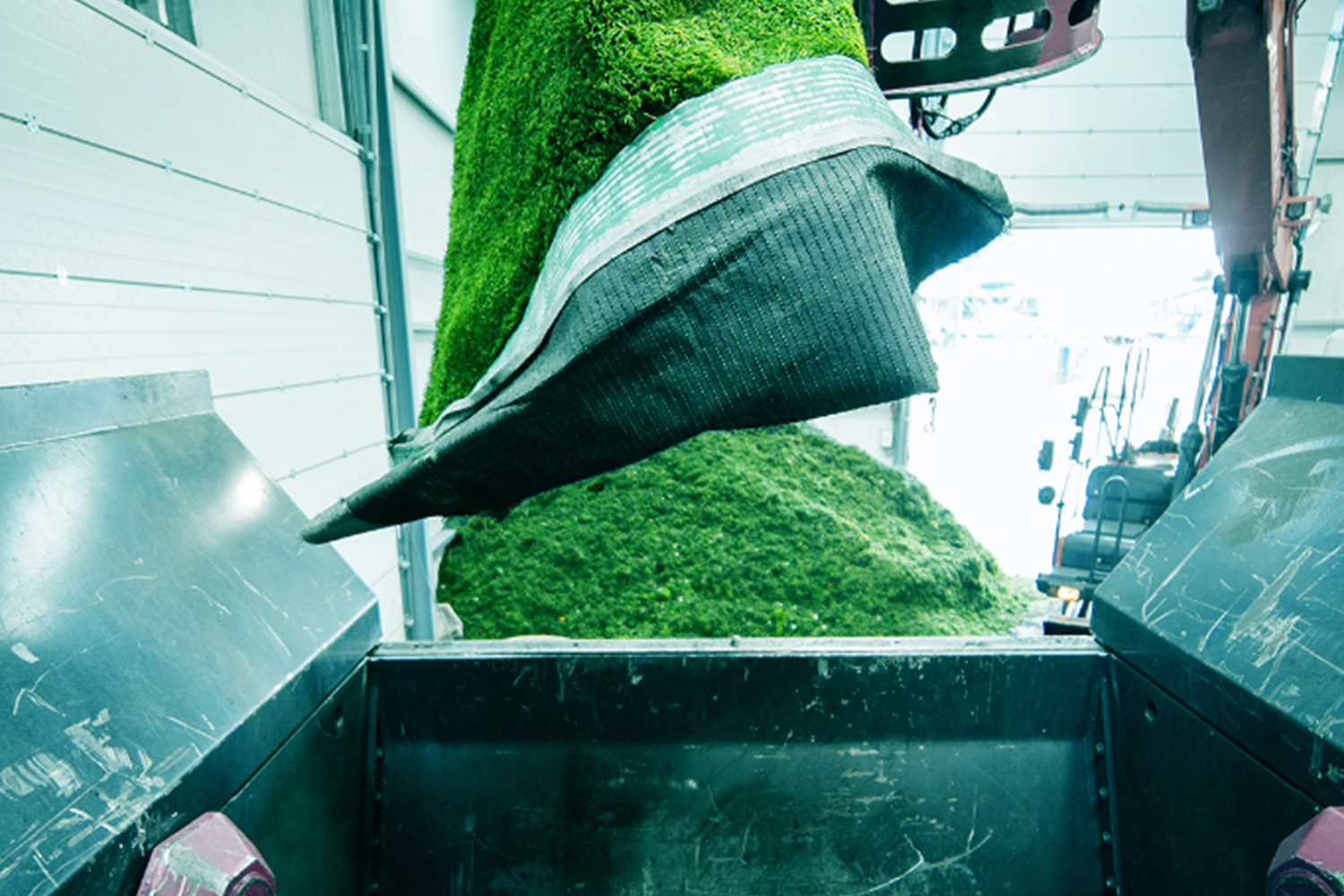
 Old turf no longer signals the end. Through recycling partnerships in Europe and the United States, legacy materials are now converted into new resources. Mechanical and advanced recycling both play a role in closing the loop.