Our Impact

Beyond the surface

Impact is about more than the surface itself. It is about what happens on it, how often it can be used, how long it performs and the materials and resources required throughout its life. TenCate develops solutions for sport, recreation and outdoor living, from artificial turf and hybrid grass to running tracks and sports lighting. Each solution is different, but the questions behind them are often the same. How can more people have access to places to play and move? How can surfaces perform for longer? How can materials and resources be used more carefully? And what happens when a product reaches the end of its functional life? Understanding that complete picture helps make better decisions.

Communities
A sports facility has value because of what happens on it. Artificial turf can provide intensive access to sport in densely populated cities and challenging climates. Hybrid systems help natural grass withstand intensive use. Running tracks create dedicated spaces for athletics, training and everyday exercise. Sports lighting extends the hours in which facilities can be used.

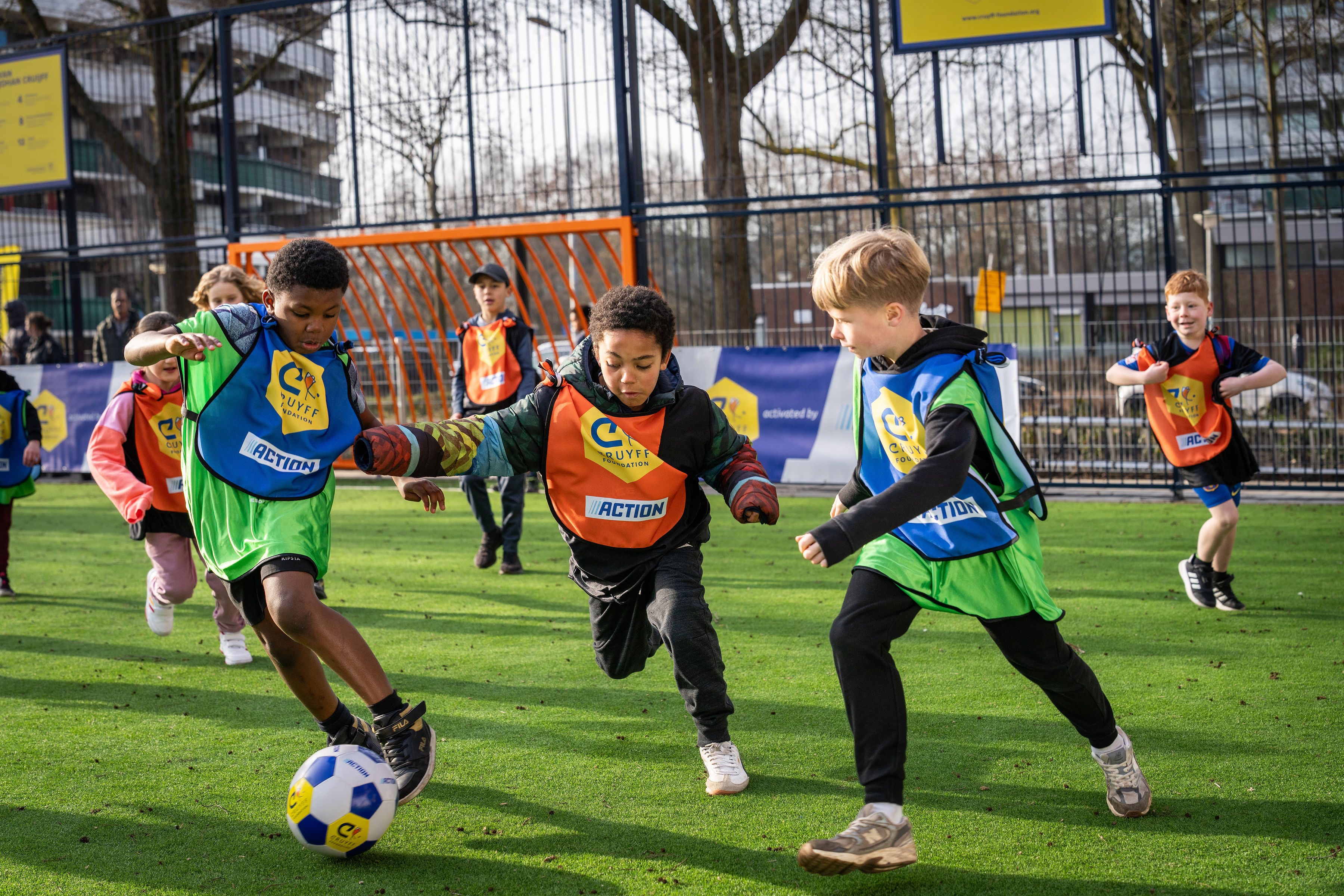
Different solutions can contribute to the same outcome: more opportunities for people to move, train, compete and connect. In 2024 alone, TenCate turf systems enabled an estimated 350 million hours of play worldwide. Through the longstanding relationship with the Johan Cruyff Foundation, 227 Cruyff Courts in more than 20 countries had been realised, providing accessible sports facilities for children, including children with disabilities. Outdoor living has a different role. Gardens, playgrounds, rooftops and shared spaces create places where people can spend time outdoors, meet and enjoy their surroundings.
Performance and longevity
Impact is also about how effectively a surface or system can be used throughout its functional life. Performance, durability, maintenance and availability all matter. A field that accommodates more playing hours makes better use of the space available. A surface that maintains its performance for longer delays replacement. Effective maintenance and repair can further extend functional life.
This is why TenCate looks beyond initial performance.

At the Center for Turf Innovation, surfaces are tested and validated to understand how they behave under repeated use, different climates and real playing conditions. The principle extends beyond turf. Different surface technologies require different approaches, but the objective remains the same: reliable performance for as long as the solution is designed to provide it.

Duurzaam-kunstgras
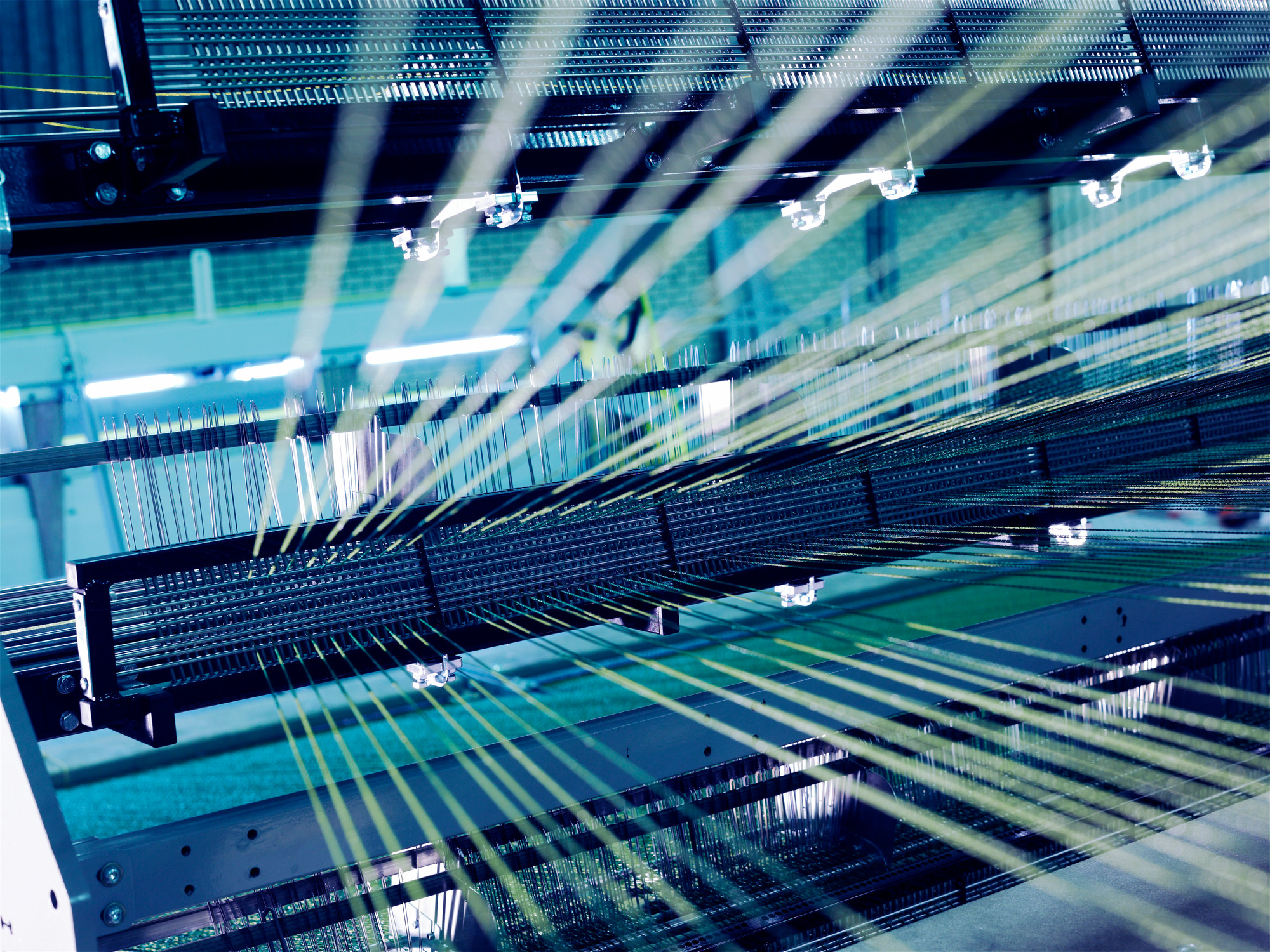
Many decisions that determine environmental impact are made before a surface is installed. Material selection, system weight, manufacturing, transport, installation, maintenance and energy use all contribute to the resources required throughout its lifecycle. That creates different opportunities across the TenCate portfolio.

Infill free turf can substantially reduce the amount of material that needs to be transported, installed and maintained. Water free hockey surfaces remove the need to irrigate a field to achieve its intended playing characteristics. Sports lighting presents opportunities to improve how energy is used while extending access to facilities beyond daylight hours. There is no single solution. The relevant question is where resources are used and where design can make a meaningful difference.

RS21059_tc_martin_003b_lpr
End of life starts with design. Products made from combinations of different materials can be more complex to process after use. That is why material composition and the ability to recover materials are increasingly considered during product development.

ONE DNA™ is one example. From fibre to backing, the turf is designed using polyethylene. This mono material construction reduces material complexity and supports mechanical recycling at the end of its functional life, depending on available recycling infrastructure. Infill free systems take another approach by reducing the number and weight of materials required within the field.

Different technologies. The same underlying question: what happens to the materials when their first use comes to an end?

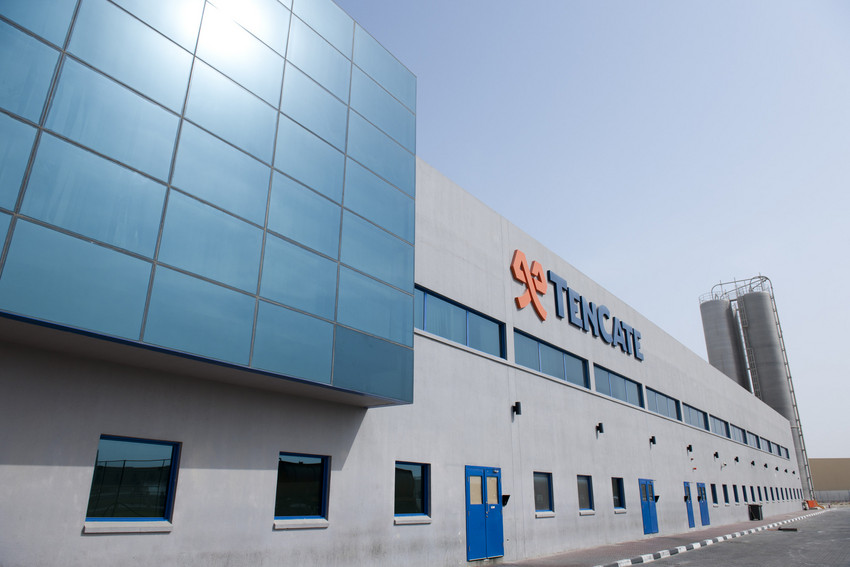
production location in dubai
Impact is not determined by product design alone. Manufacturing matters too. TenCate continues to examine energy consumption, waste generation and material use across its operations. In 2024, the average waste diversion rate across TenCate manufacturing sites reached 94 percent, including energy recovery, up from 88 percent in 2023. Progress has continued, with several manufacturing locations reaching higher levels of waste diversion. Energy use is another part of that work, with sites increasing the use of renewable electricity, onsite solar generation and energy efficiency measures.

These changes happen behind the surface, but they are part of its impact.

RS19121_tc_dubai_0035_lpr
Environmental performance needs evidence. Lifecycle assessment helps identify where impacts occur throughout the life of a product and provides a more complete basis for evaluating design choices.

TenCate increasingly uses product specific assessments to understand the consequences of decisions around materials, manufacturing, transport, use and end of life. This matters because simple assumptions can be misleading.

Less material does not automatically mean lower environmental impact. A product designed for recycling is not automatically recycled. A longer lasting surface only creates additional value if it continues to perform. Measurement provides the evidence needed to understand those differences.

Progress through better choices

There is no single answer to reducing the impact of sport, recreation and outdoor living surfaces. Progress comes from many decisions made throughout their lifecycle. How a product is designed. Which materials are used. How it is manufactured and transported. How efficiently it can be used. How it is maintained. How long it performs. And what can happen to its materials afterwards.

At the same time, the reason these surfaces exist remains straightforward: people use them. To play. To train. To compete. To move. To meet. And simply to spend time outdoors.

Better use of every surface. Better choices throughout its life.