Sustainability

Sustainability

A clear direction

Sustainability goes beyond good intentions. It requires structural change. Every step in the turf lifecycle is being reassessed to cut impact and create long-term value – from design and production to reuse and recycling. The future of turf must be circular, climate-resilient and built to last, for people, sport and planet.

TenCate ESG Report

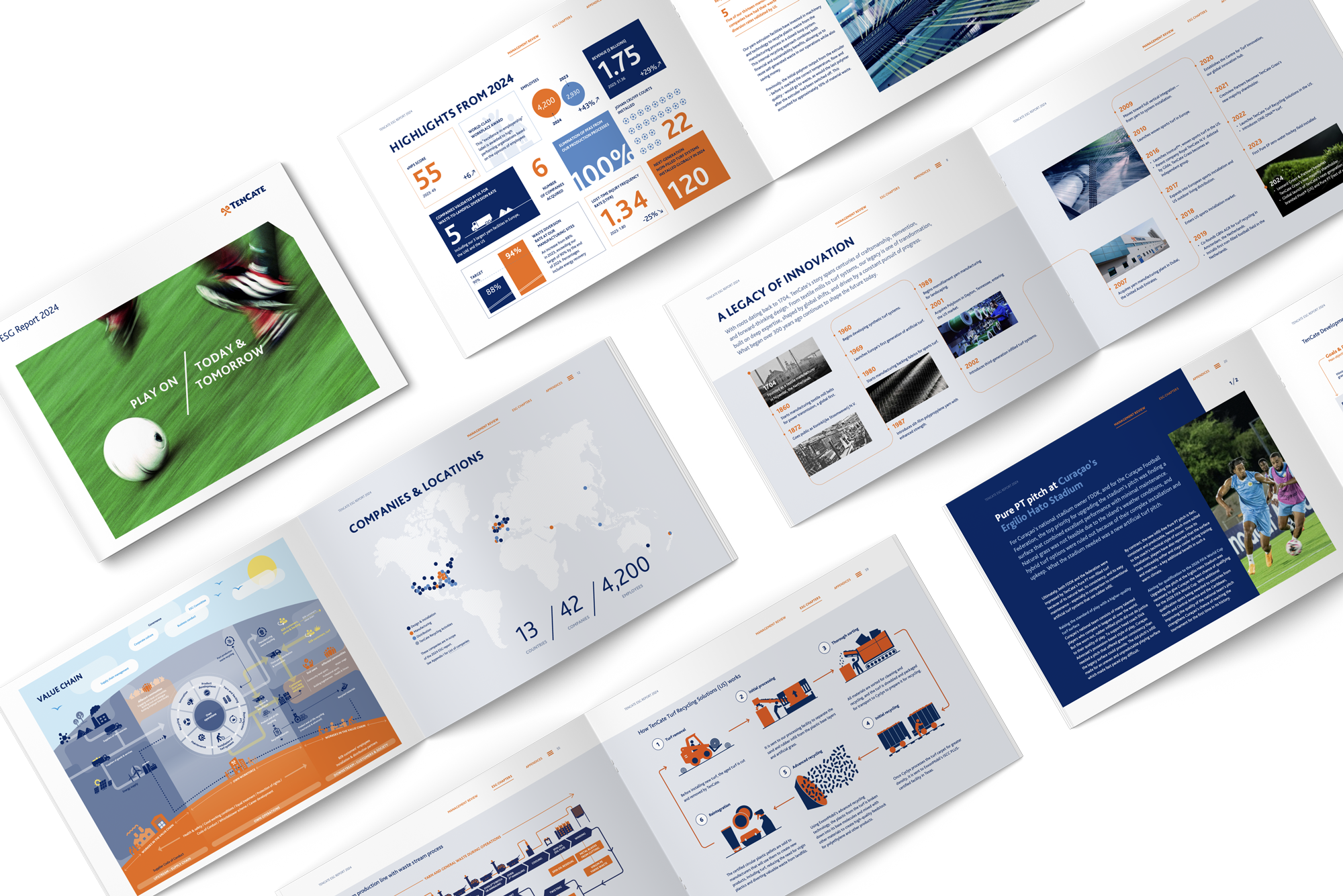
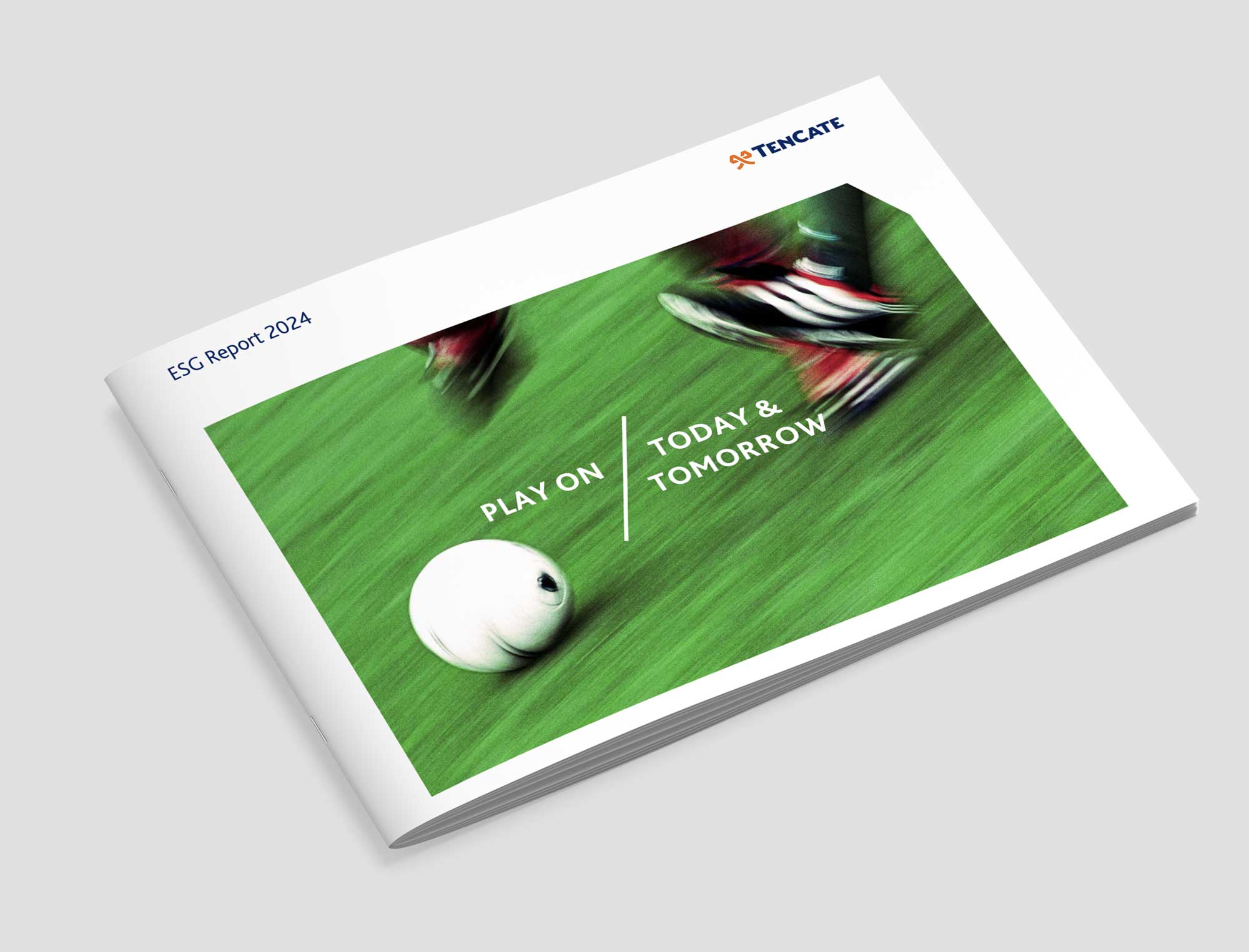
Read more about our commitment to sustainable and responsible business practices in our 2023 Environmental, Social, and Governance (ESG) Report. A printable version of our ESG Report.
Download
ESG Report 2024
ESG Report booklet printed version
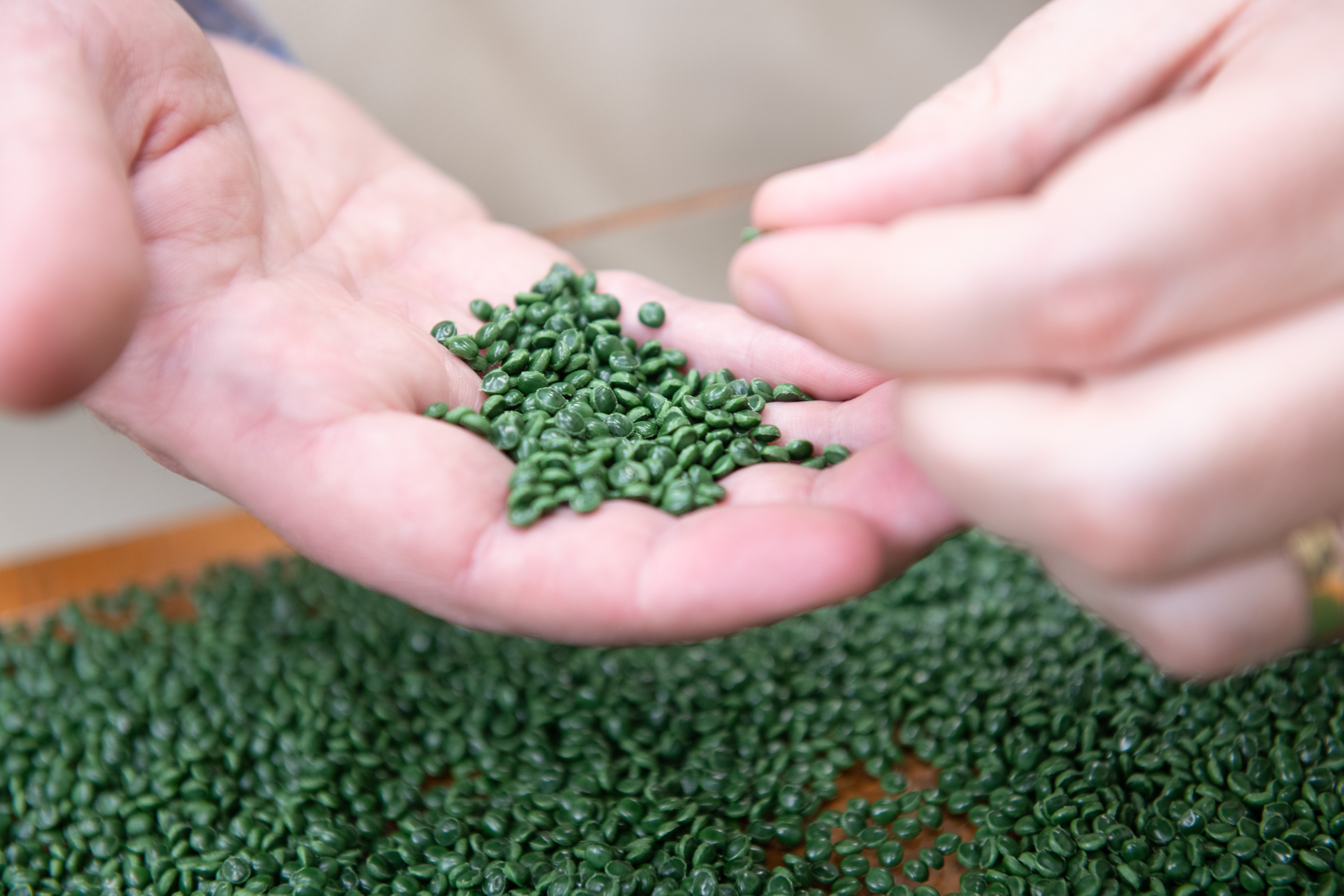
Close-up of hands holding and sorting small green plastic granules.
ONE-DNA™ is a recyclable turf system made from a single polymer, designed for end-of-life recovery so that material value is retained. Infill-free systems such as Pure PT and Pure EP reduce complexity, lower impact and simplify recycling. Together these innovations set a new standard for turf design. 
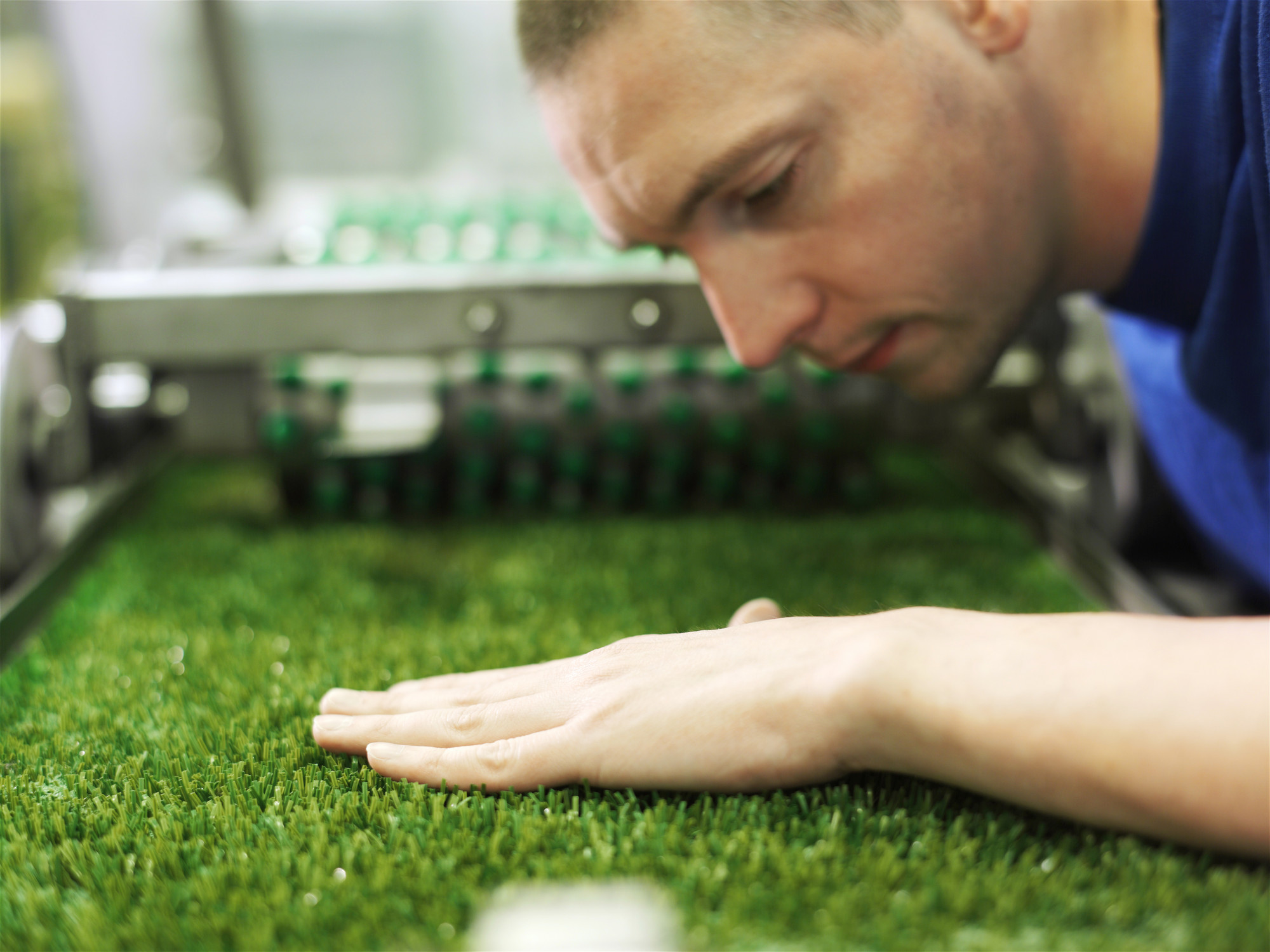
Worker inspecting artificial turf by running a hand over the grass fibers during testing..
Longer lifespans mean fewer replacements, less waste and lower emissions. All systems undergo extended Lisport XL trials and real-play validation to prove consistent performance over time. 
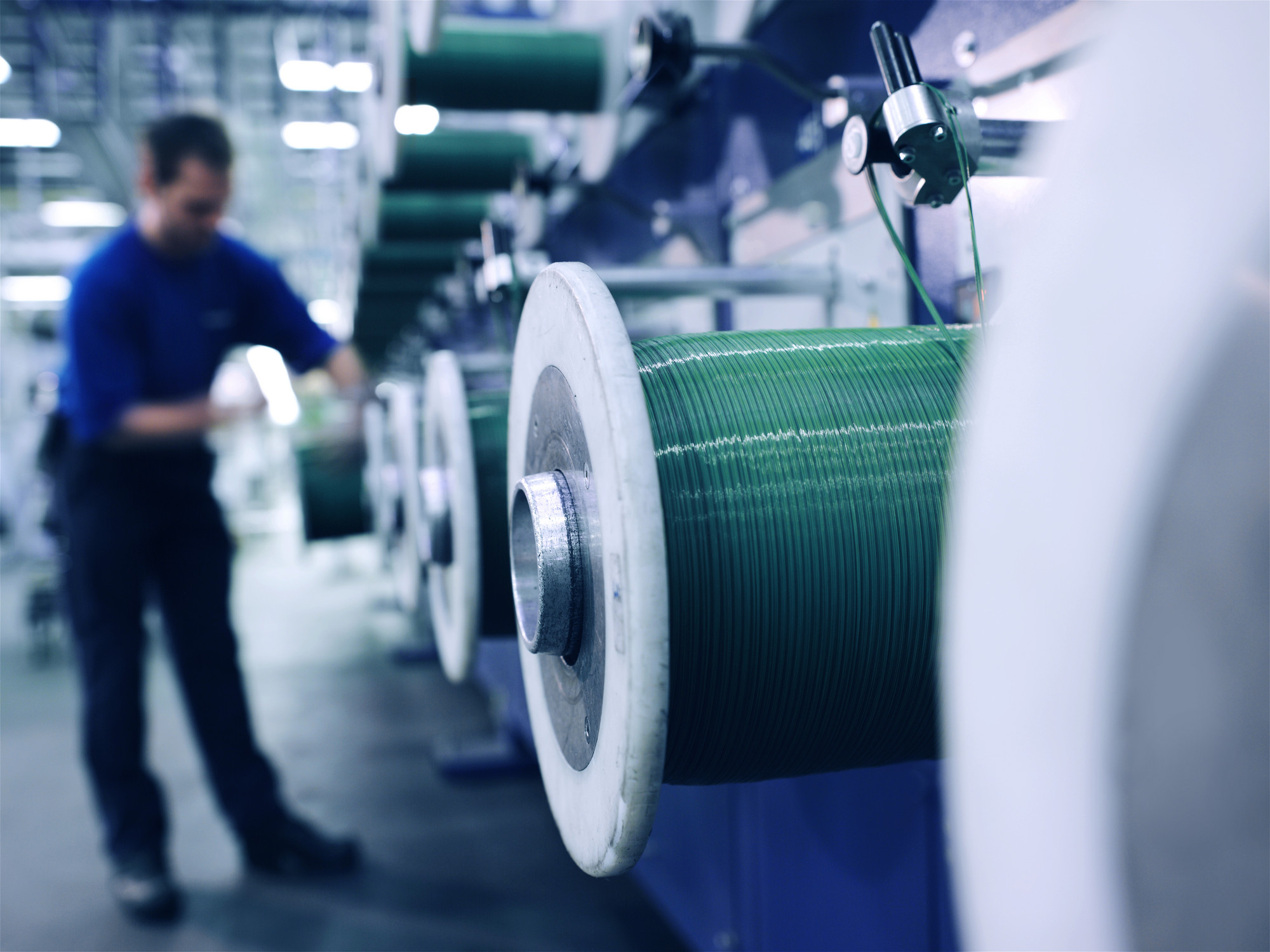
Worker operating a large industrial yarn-winding machine inside a manufacturing facility.
Impact is reduced across the chain. Lightweight turf systems such as Pivot® and Pure PT lower material intensity. Regional production and efficient logistics limit transport emissions. Several major sites are ISO 14001 certified, and a group-wide decarbonisation plan includes Scope 1, 2 and 3 targets.
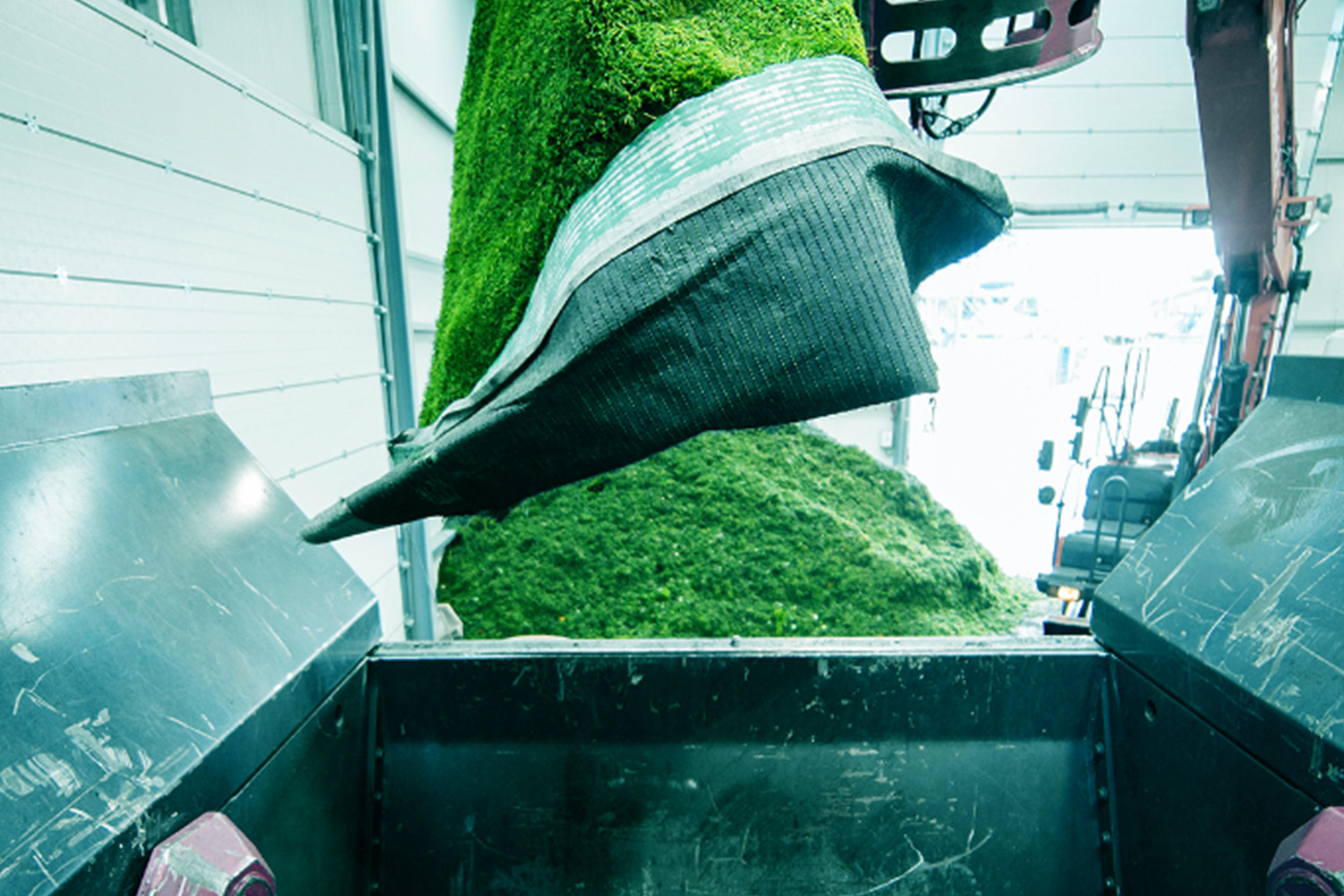
Piece of used artificial turf being lifted and dropped into an industrial recycling machine.
Recycling is now part of the system. Partnerships with GBN in Europe and ExxonMobil and Cyclyx in the US make both mechanical and advanced recycling of legacy turf possible. Old materials are no longer treated as waste but as resources for future use.

 
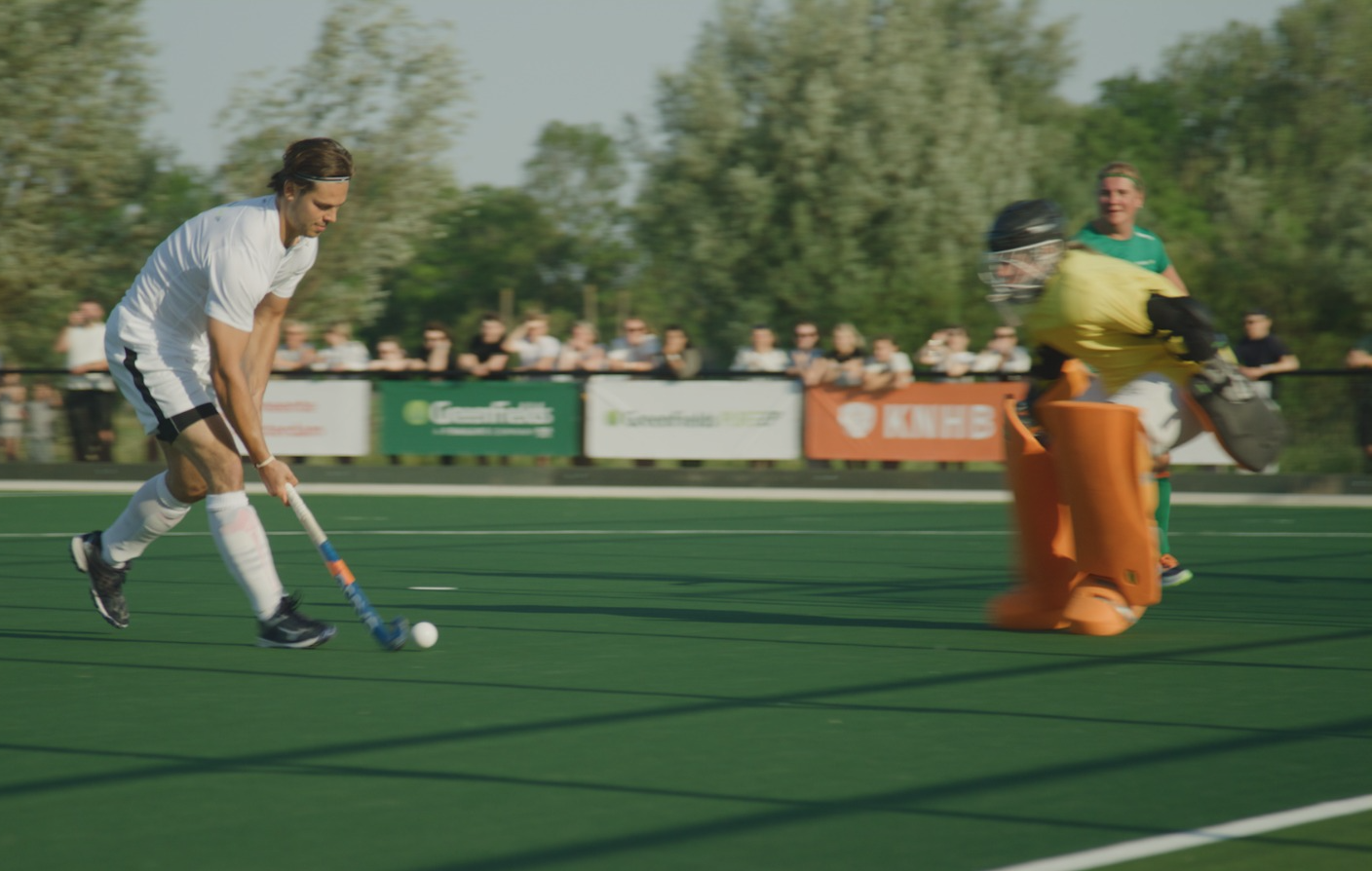
Field hockey player in white dribbling the ball on an artificial turf pitch, approaching a goalkeeper in protective gear.
Turf already requires less water than natural grass. Pure EP goes further, recreating wet hockey field performance without irrigation and saving up to 20,000 litres per match. In water-stressed regions, this makes a decisive difference.
 
TenCate-Grass-ESG-Report-2024 1
Sustainability is not managed separately but integrated across daily operations. A dedicated ESG Committee oversees progress, supported by certifications such as ISO, ISCC+ and SMETA. Current results include 94% waste diversion from landfill, with further zero-waste protocols under review. 

Driven by Change

For us, sustainability means responsibility: for the materials we use, the people we employ, and the communities we impact. We design products that last longer, use fewer resources, and can be fully recycled at end of life. Our ambition is 100% circularity: every turf system collected, every polymer recovered, every field given a second life. But sustainability also lives in our culture, in the way we care for safety, inclusion, and fairness across more than 40 companies worldwide.

Playing our part

Climate change and resource scarcity demand new thinking. As creators of the surfaces people play on, we know our responsibility extends beyond the field. Every choice in material, process, and design shapes the planet we share. Sport connects people and improves wellbeing, but it should never harm the environment. That’s why we innovate, reducing water use, eliminating microplastics, and designing for circularity through systems like Pure EP, Pivot®, and ONE-DNA™. Sustainability drives progress. For us, performance, planet, and wellbeing are one and the same, the foundation for a future where everyone can keep playing.