
ONE DNA™

ONE DNA™

Circularity starts with design.

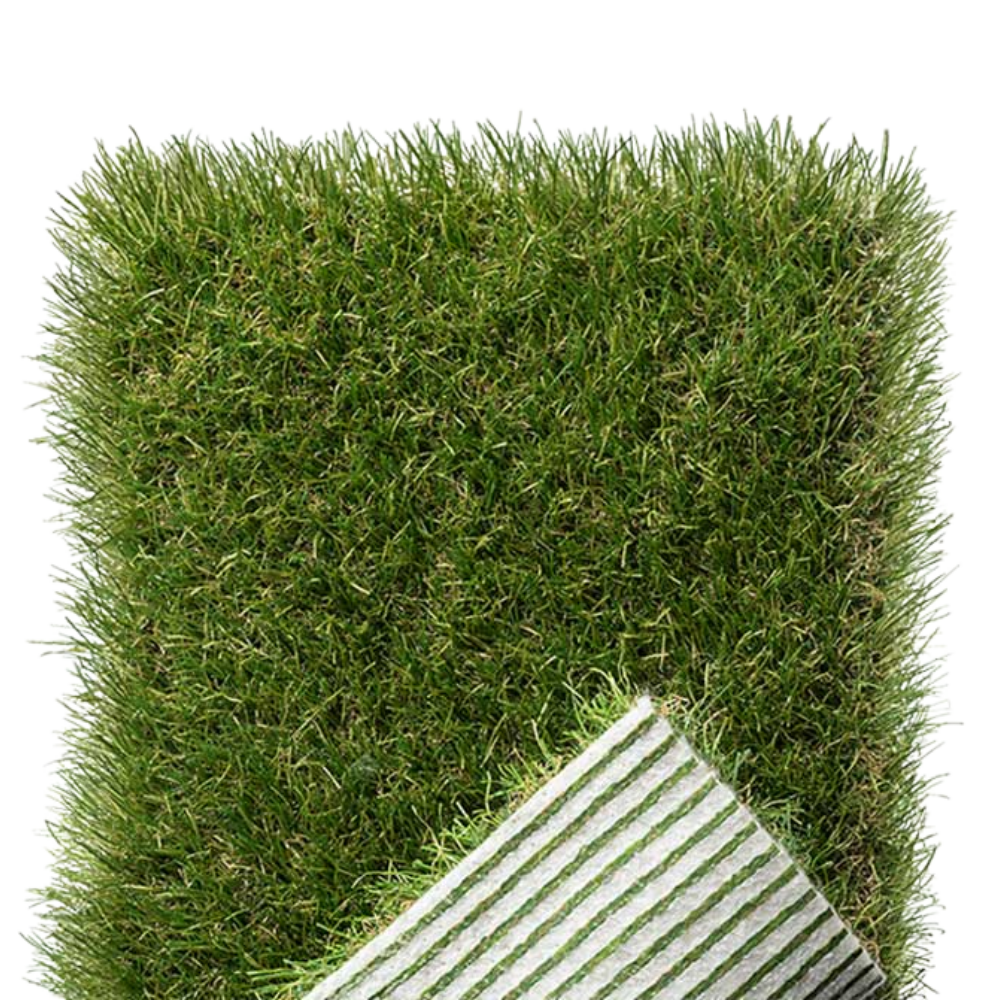
What happens to a turf system at the end of its functional life is influenced by decisions made years earlier, when the product is designed. ONE DNA™ starts with that principle. From fibre to backing, the turf is designed using one polymer: polyethylene. This mono material construction reduces material complexity and supports mechanical recycling at the end of its functional life, depending on available recycling infrastructure. The objective is simple: design the product today with the value of its materials tomorrow in mind.

Why material simplicity matters

Conventional artificial turf can combine polyethylene, polypropylene, latex, polyurethane and other materials within a single construction. These combinations provide specific functional properties, but they also make material recovery more complex. Mechanical recycling of multi material turf can result in mixed agglomerates with more limited applications than the original polymers.

ONE DNA™ approaches that challenge at the design stage. By using polyethylene throughout the turf construction, different polymer types do not need to be separated from the carpet before the polyethylene can be mechanically recycled.
Material simplicity becomes part of the engineering.
Designed for mechanical recycling


ONE DNA™ is designed so that the turf carpet can be mechanically recycled where suitable recycling infrastructure is available. At the end of its functional life, the polyethylene can be processed into PE recyclate for use in new applications.

The available recycling route ultimately depends on local collection, processing and recycling infrastructure.

Recycling alone does not create circularity. The quality and potential applications of the recovered material matter too. That is why ONE DNA™ focuses on material compatibility from the beginning. Using one polymer throughout the turf construction is intended to support recovery of a more consistent PE material stream.

The objective is not simply to recycle the turf. It is to preserve the potential value of the material for its next use.

Material choices also influence how a turf system is manufactured. ONE DNA™ does not require a conventional latex or polyurethane coating to secure the fibres to the backing. This removes the manufacturing step in which these coatings are applied and cured, changing both the construction of the product and the energy required to manufacture it.

The environmental performance of ONE DNA™ is being assessed through Life Cycle Assessment and MKI methodology, providing a quantified basis for evaluating the impact of these design and manufacturing choices. The result is a simpler turf architecture designed around performance during use and material recovery afterwards.

ONE DNA™ systems are already used across applications including landscaping, play, events and sports. Real world projects provide an opportunity to understand not only how the systems perform during use, but also what happens when the turf is removed and enters its next stage.

These experiences continue to inform product development and end of life thinking.
ONE DNA™ has been evaluated through independent testing and documentation.

  • Environmental Product Declaration according to EN 15804+A2
  • Independent assessment of material recovery and potential for PE reuse
  • Fire performance tested according to ISO 9239-1
  • Product specific testing for relevant applications
  • Environmental performance assessed through Life Cycle Assessment and MKI methodology

Independent evidence provides the basis for specific performance and material claims.

This video cannot be loaded without your cookie consent.

Designed for the next lifecycle

ONE DNA™ changes the question asked during turf development. Not only: how should this surface perform today? But also: what should happen to its materials tomorrow? By considering material recovery from the beginning, ONE DNA™ demonstrates how product architecture can support a different approach to the lifecycle of artificial turf. Design for today. Think beyond the first lifecycle.