RESEARCH AND INNOVATION

Research and development

From research to real world impact

Better surfaces start with better understanding. Research and development at TenCate connects science, engineering and real world experience to the decisions made during product development. How does an athlete interact with a surface? What happens after years of intensive use? How do different climates affect performance? Can fewer materials achieve the same or better result? And what choices made today can improve what happens at the end of a product's functional life? These questions shape the development of new surfaces and systems.

Research with a purpose

Research starts by understanding the problem before designing the solution. Performance remains fundamental. But performance cannot be considered in isolation. Durability, availability, maintenance, material use, manufacturing and end of life all influence the impact of a surface throughout its functional life.

That broader perspective means research can lead to very different solutions. Pure PT™ explores how football performance can be achieved without infill. Pure EP examines how hockey can deliver the required playing characteristics without irrigation. ONE DNA™ addresses material complexity by designing turf from a single polymer.

Different challenges, but the same principle: understand first, then design.
Centre for Turf Innovation

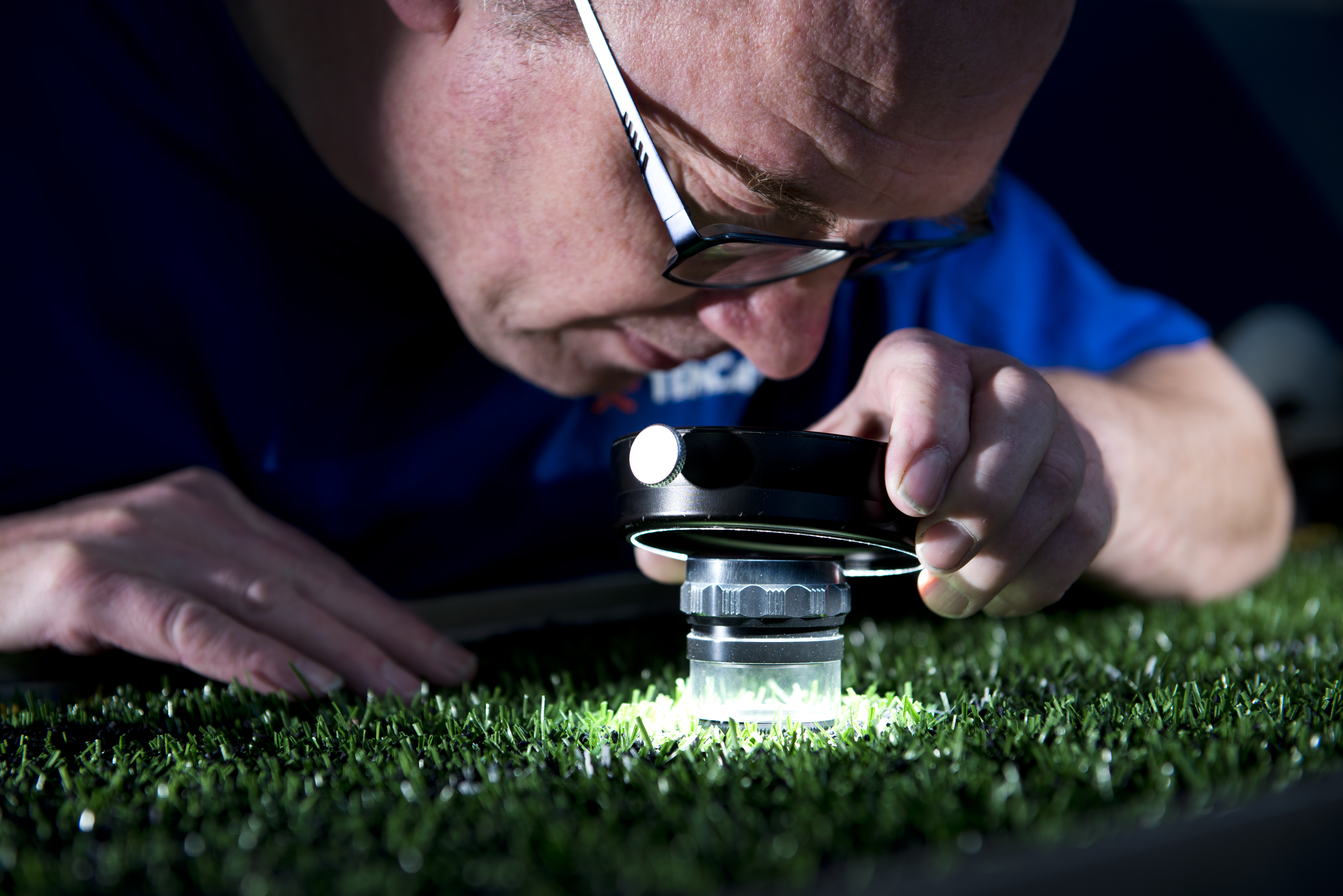
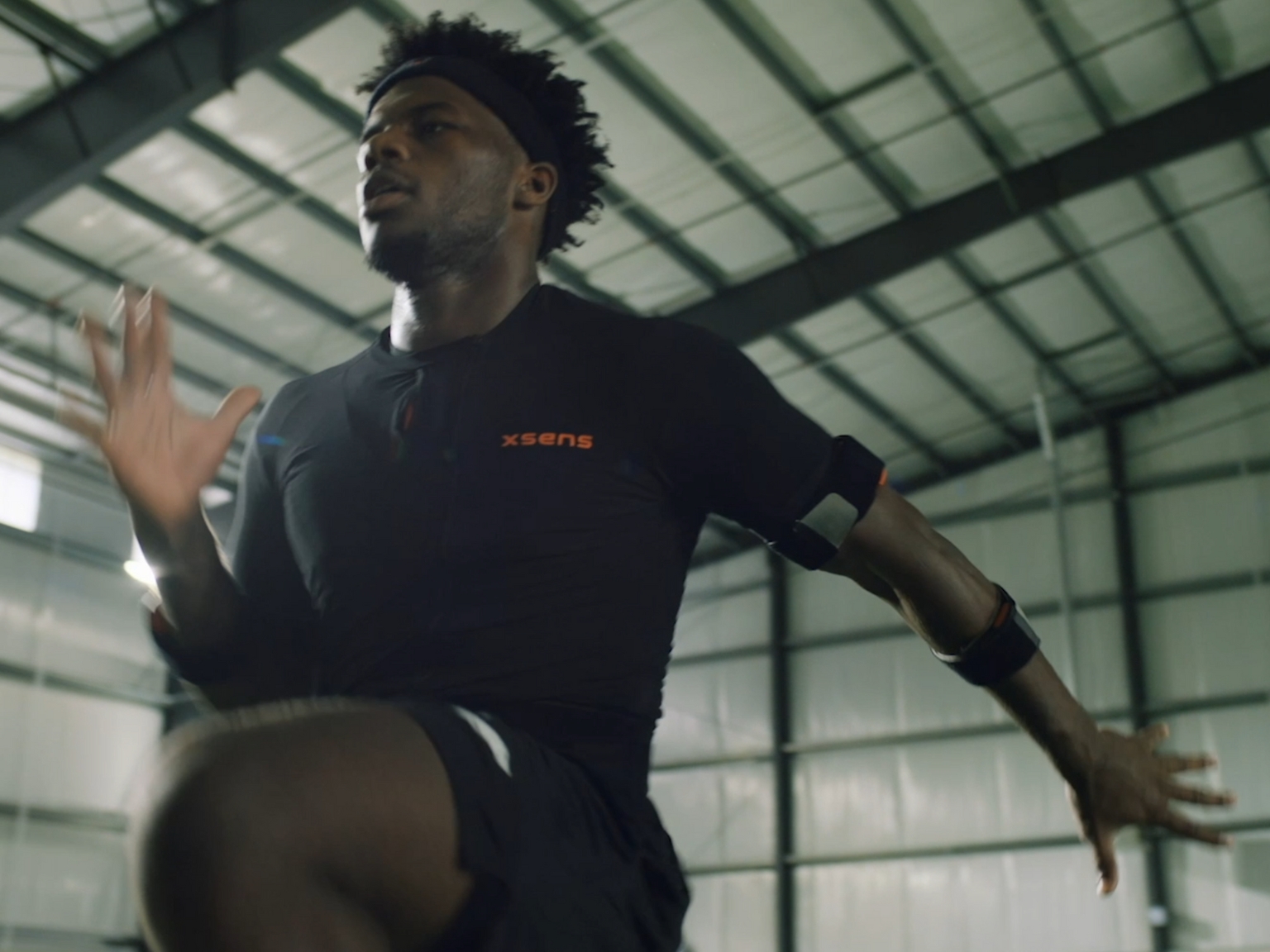
Much of this research takes place at the Center for Turf Innovation in the Netherlands. Sports scientists, engineers and product specialists combine biomechanics, material science, player research and engineering to understand how surfaces behave and how people interact with them.

New concepts can be manufactured, measured and refined in house. Findings from laboratory research are then taken into real playing environments for further validation. The objective is not simply to develop something new. It is to understand whether a design decision creates a meaningful improvement.

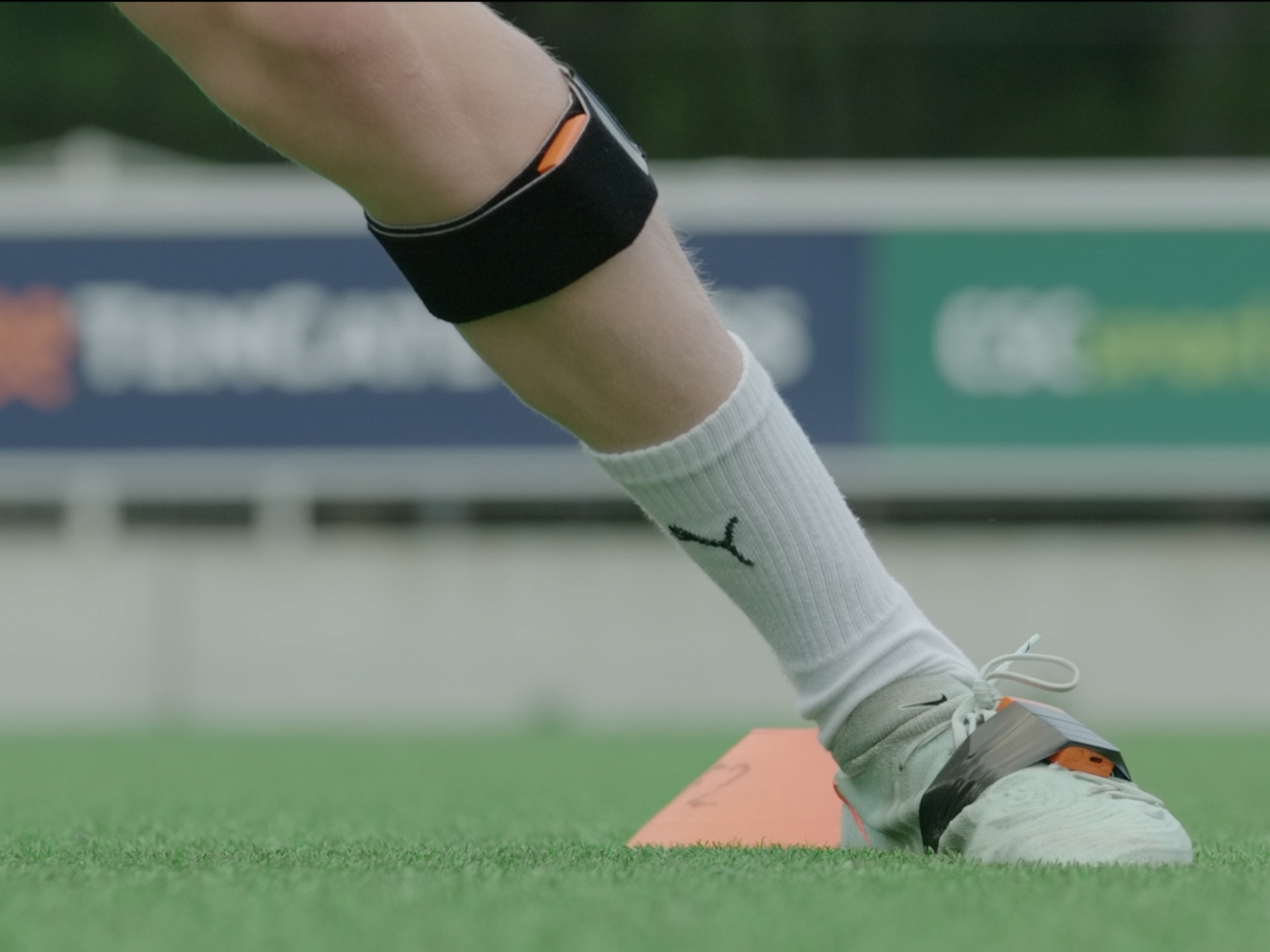
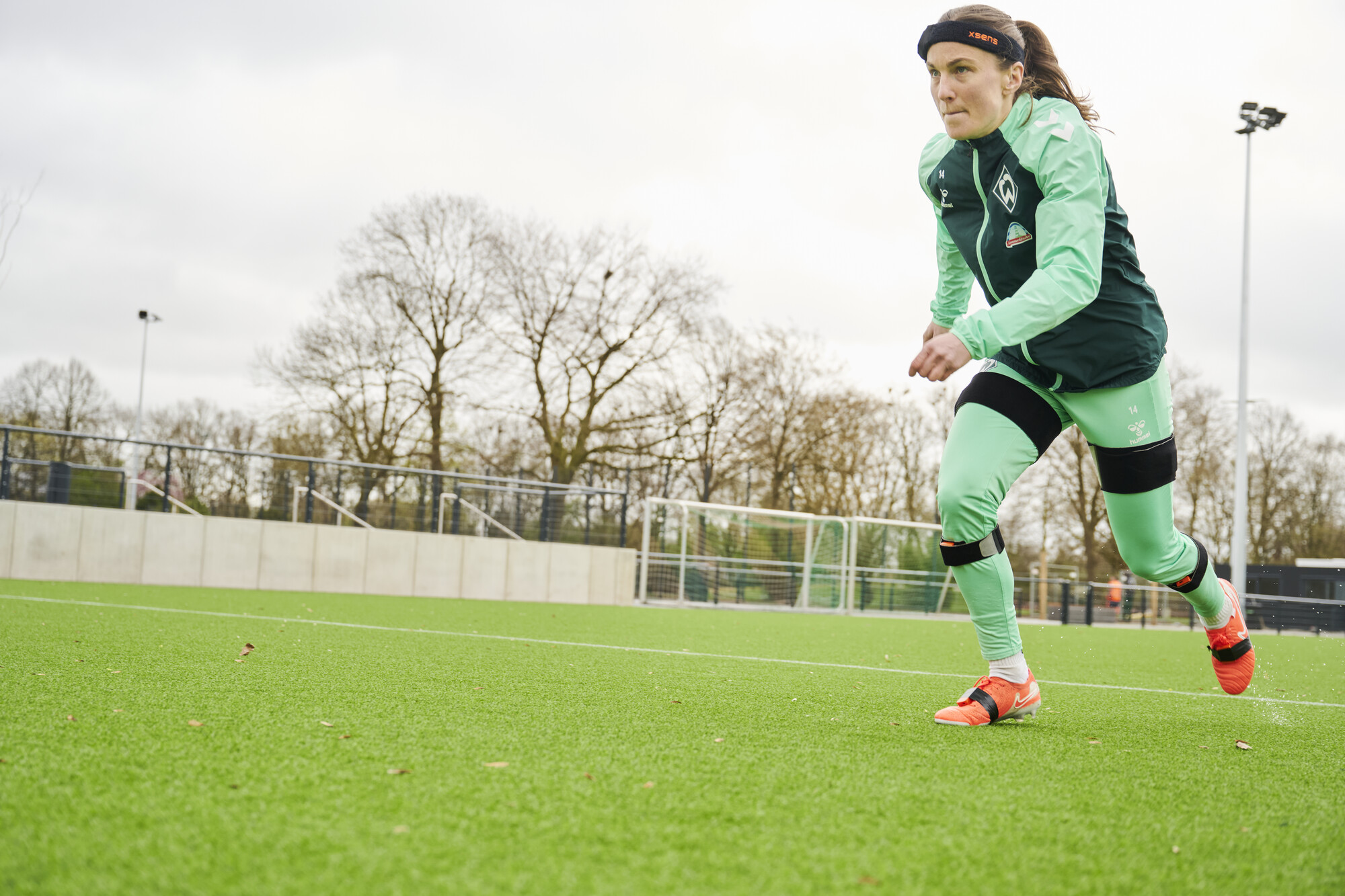
Close-up of football boots fitted with motion-tracking sensors on artificial turf.
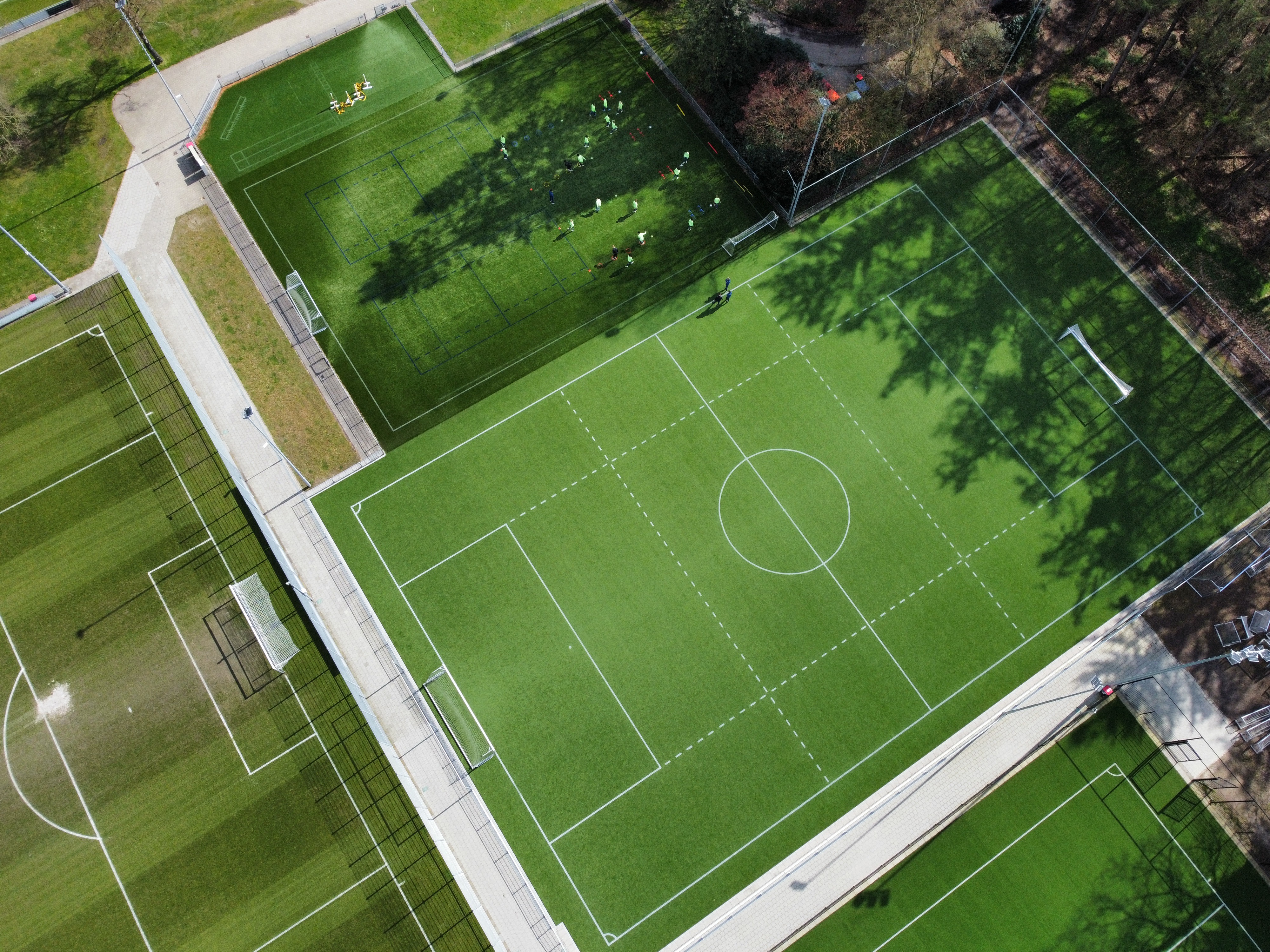
Real world validation is an essential part of research. At the TenCate FieldLab at PSV Academy, surfaces can be evaluated during actual training. Through the mobile CTI, research also travels to fields across Europe and other parts of the world. This provides insight into how surfaces behave under different climates, sports, levels of use, maintenance regimes and stages of their functional life. Those findings return to the development process. Research becomes a continuous cycle of measuring, testing, learning and refining.
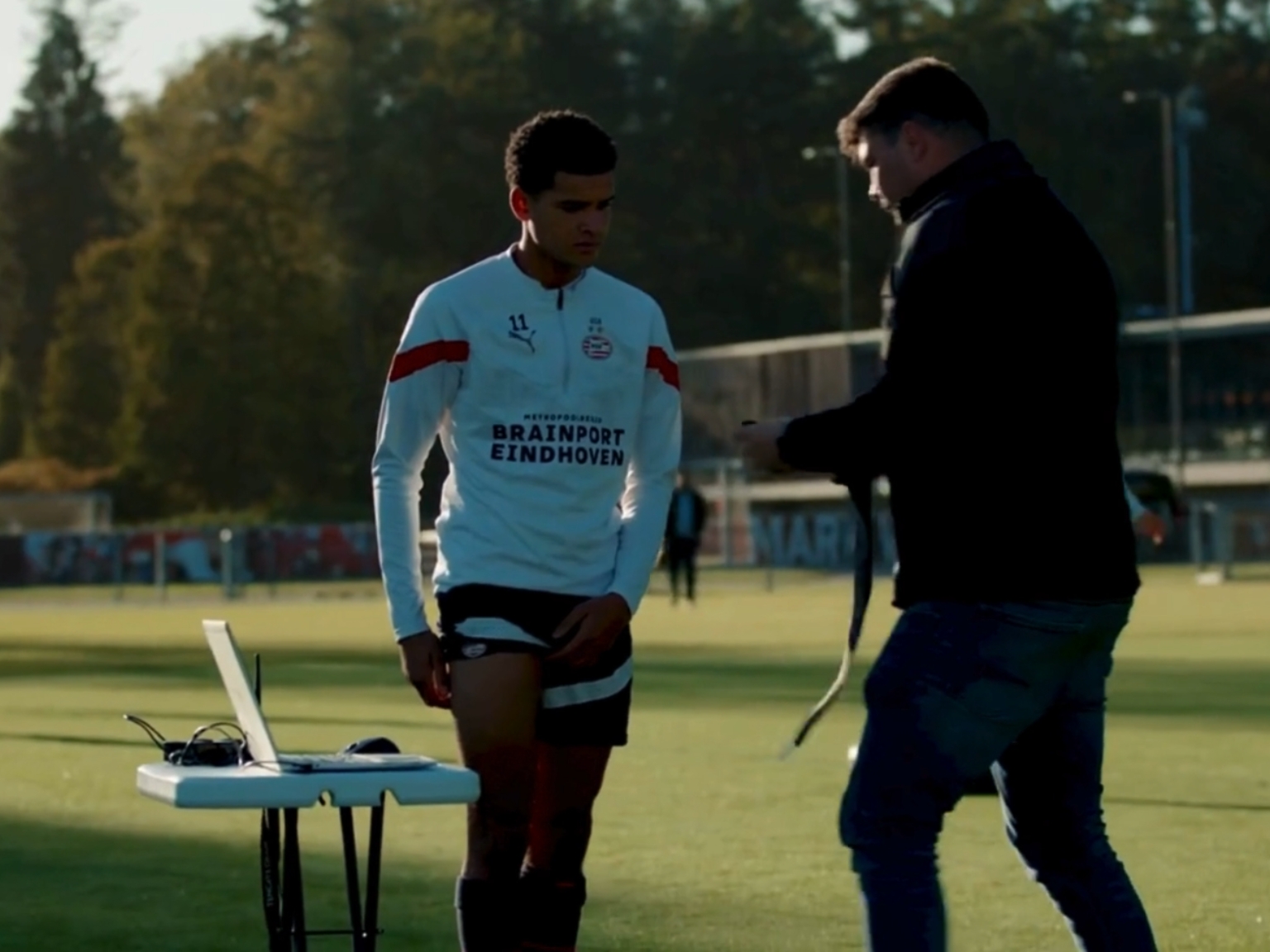
Soccer player on a training field being fitted with a monitoring strap by a staff member, with a laptop set up on a table nearby.
A surface does not remain unchanged after installation. Repeated use, weather and maintenance influence how it behaves. Understanding those changes is important when evaluating both performance and impact.

Durability testing, accelerated wear testing and field measurements help researchers understand how playing characteristics develop over time. This matters because longevity is not simply about how long a product remains in place. A longer functional life only creates value when the surface continues to perform as intended.
RS100389_20240325_132054000_iOS
Research also provides a basis for understanding environmental performance. Lifecycle assessment can examine the consequences of choices around materials, manufacturing, transport, installation, maintenance and end of life. This evidence matters because apparently simple conclusions can be misleading.

Less material does not automatically mean lower environmental impact. A product designed for recycling is not automatically recycled. Removing a component may influence manufacturing, transport and maintenance in ways that need to be considered across the complete lifecycle. Measurement makes those differences visible.

Research that continues

Product introduction is not the end of development. Data from installed surfaces, player experience, maintenance and field measurements can provide new insights long after the first system has been installed. Those insights can return to research and influence the next material, construction or generation of a surface.

Research. Validate. Learn. Improve.
Colin Young
“We don’t guess. We measure, test, and validate every detail to ensure real-world performance.”
Colin Young- R&D Director, Centre for Turf Innovation