Center for Turf Innovation

Center for Turf Innovation

Understanding the athlete. Improving the surface.

The Center for Turf Innovation brings sports science, engineering, material knowledge and real world testing together to better understand how surfaces behave and how athletes interact with them. Research starts with questions that conventional surface testing cannot always answer. What happens when a player accelerates, brakes or changes direction? How does a surface respond to repeated load? What changes over years of use? And how do climate, maintenance and different sports influence performance? Understanding those interactions provides the foundation for better surface design.

Excellence, Environment, and Equity

Research at CTI is guided by three principles. Together, they broaden the questions asked during development, from how a surface performs to how it is used and how it is designed.
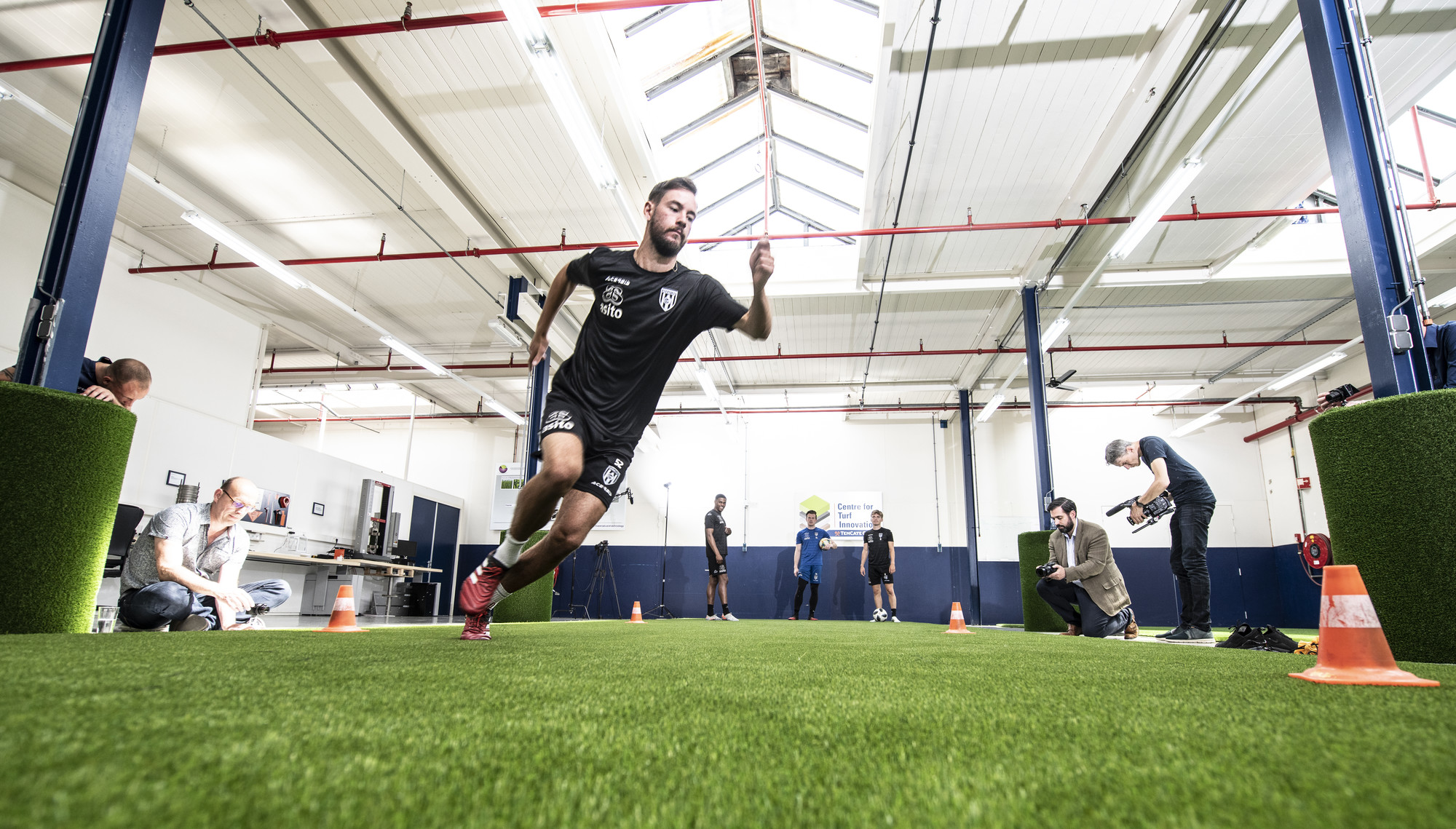
  • Excellence: Understanding performance through research, player interaction, lab testing and validation under real conditions.

  • Environment: Understanding how material choices, system design, manufacturing and functional life influence the resources required for a surface.

  • Equity: Understanding how surfaces can support reliable access to sport, play and recreation across different communities, climates and levels of play.

Research built around real movement

Athletes do not move like test equipment. They accelerate, brake, rotate, jump and change direction, often within fractions of a second. Understanding these movements requires more than measuring whether a surface meets a technical standard. At CTI, biomechanical analysis is combined with player testing and feedback to study the interaction between athlete and surface during real movement. This includes grip and release, impact attenuation, stability, loading and how players perceive the surface beneath them.
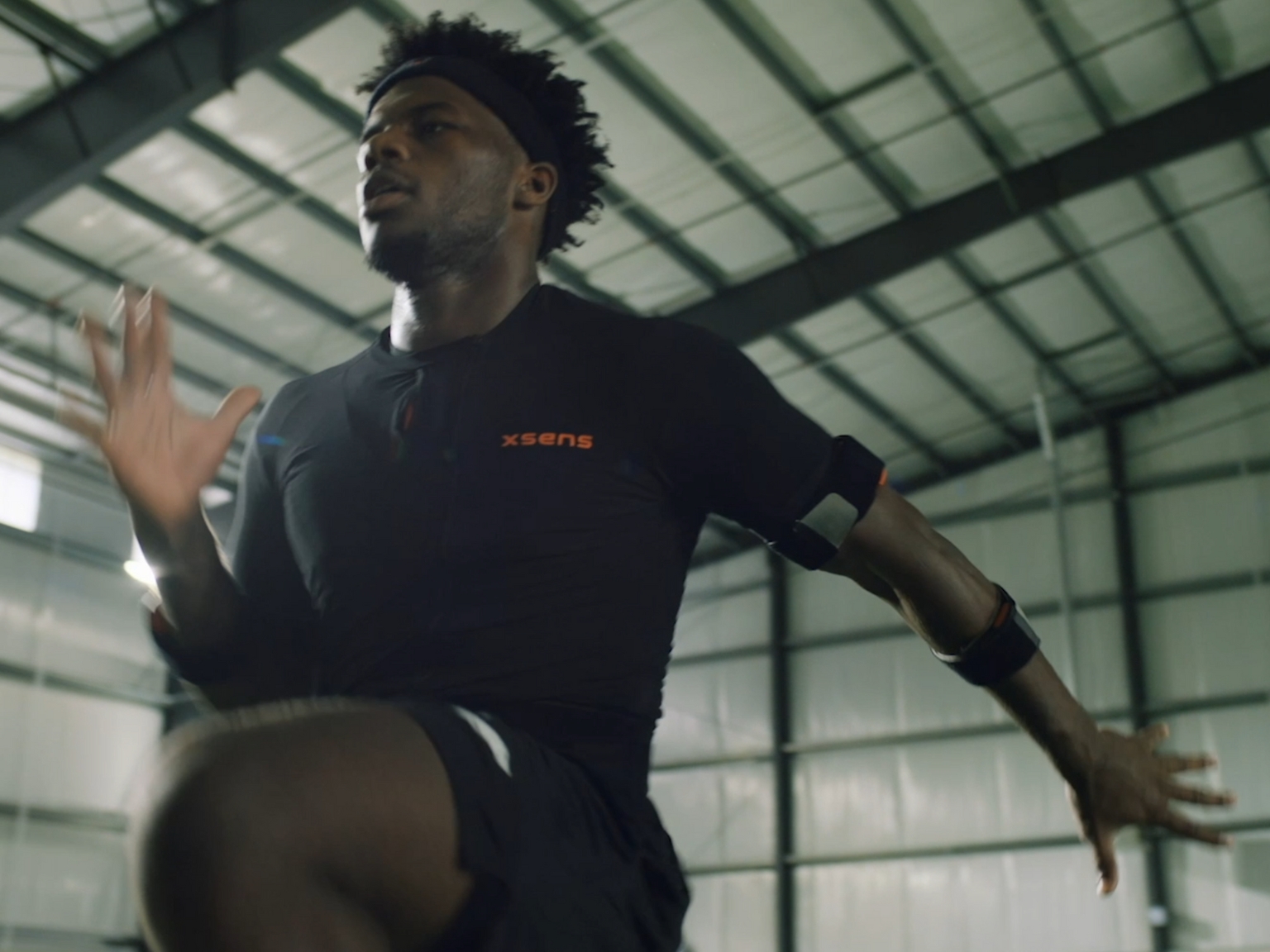
Athlete performing a high-knee running drill indoors while wearing motion-tracking sensors.
Different questions require different ways of measuring. CTI combines multiple technologies to build a detailed picture of athlete and surface interaction.

  • High speed video captures movement in detail
  • 3D motion capture tracks player movement
  • Inertial Measurement Units collect movement data during real play
  • Force plates measure ground reaction forces and impact loading
  • Pressure mapping shows how feet and studs interact with the surface during acceleration, turning and braking

Together, these measurements help researchers understand not only what happens during movement, but why.

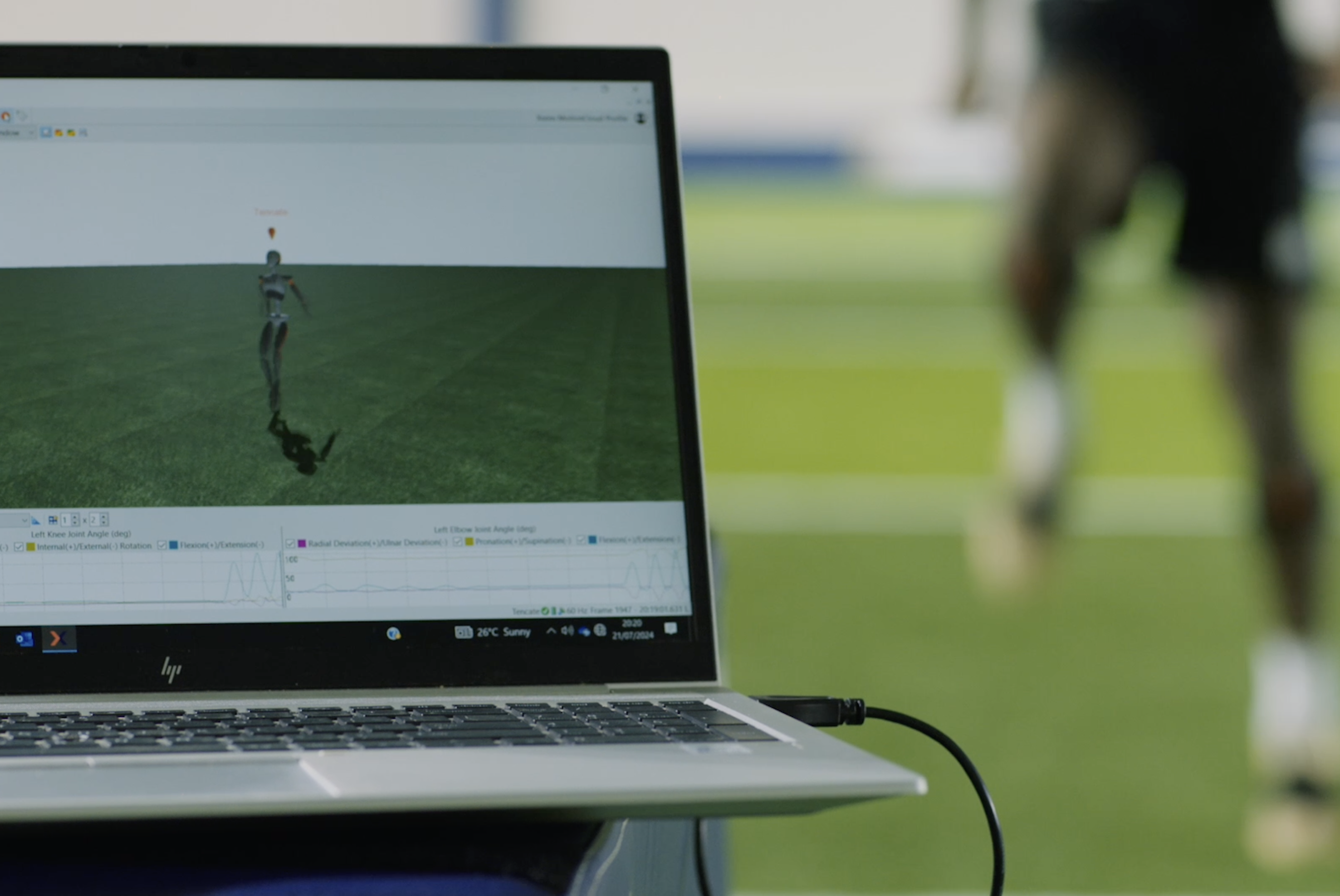
Computer screen showing the players' motion for analysis.
Physical measurements can be combined with computational models to study forces that cannot always be observed directly. Finite Element Analysis helps model athlete and surface interaction, while musculoskeletal modelling provides insight into joint behaviour and muscular loading during movement. These methods add another layer to the understanding of how changes in surface design can influence athlete interaction.
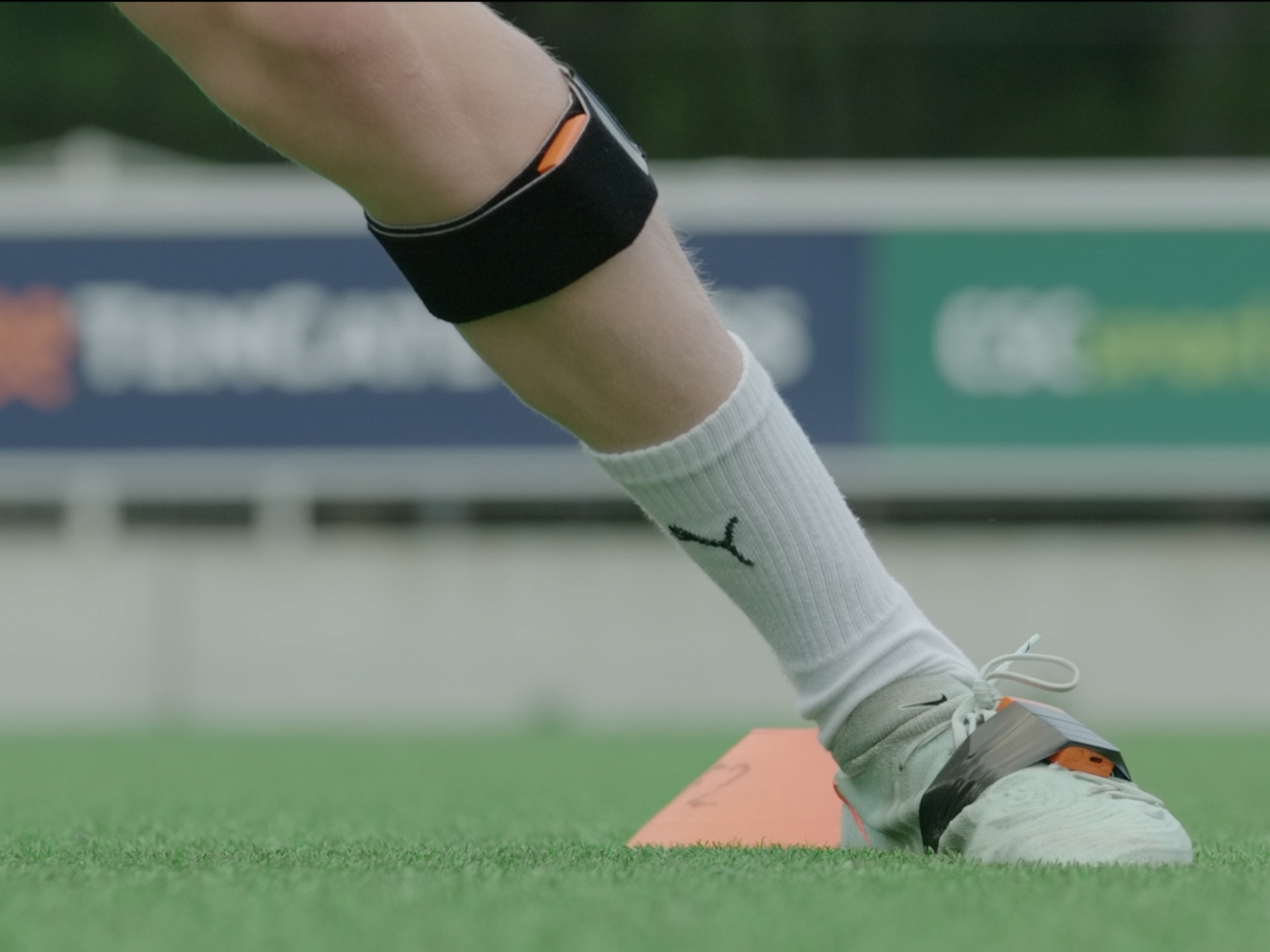
Close-up of football boots fitted with motion-tracking sensors on artificial turf.
Data alone does not tell the complete story. Player feedback is collected alongside physical measurements through structured interviews, surveys, perception studies and longer term evaluation. Combining what athletes experience with what measurement systems record can reveal patterns that either method alone may miss.
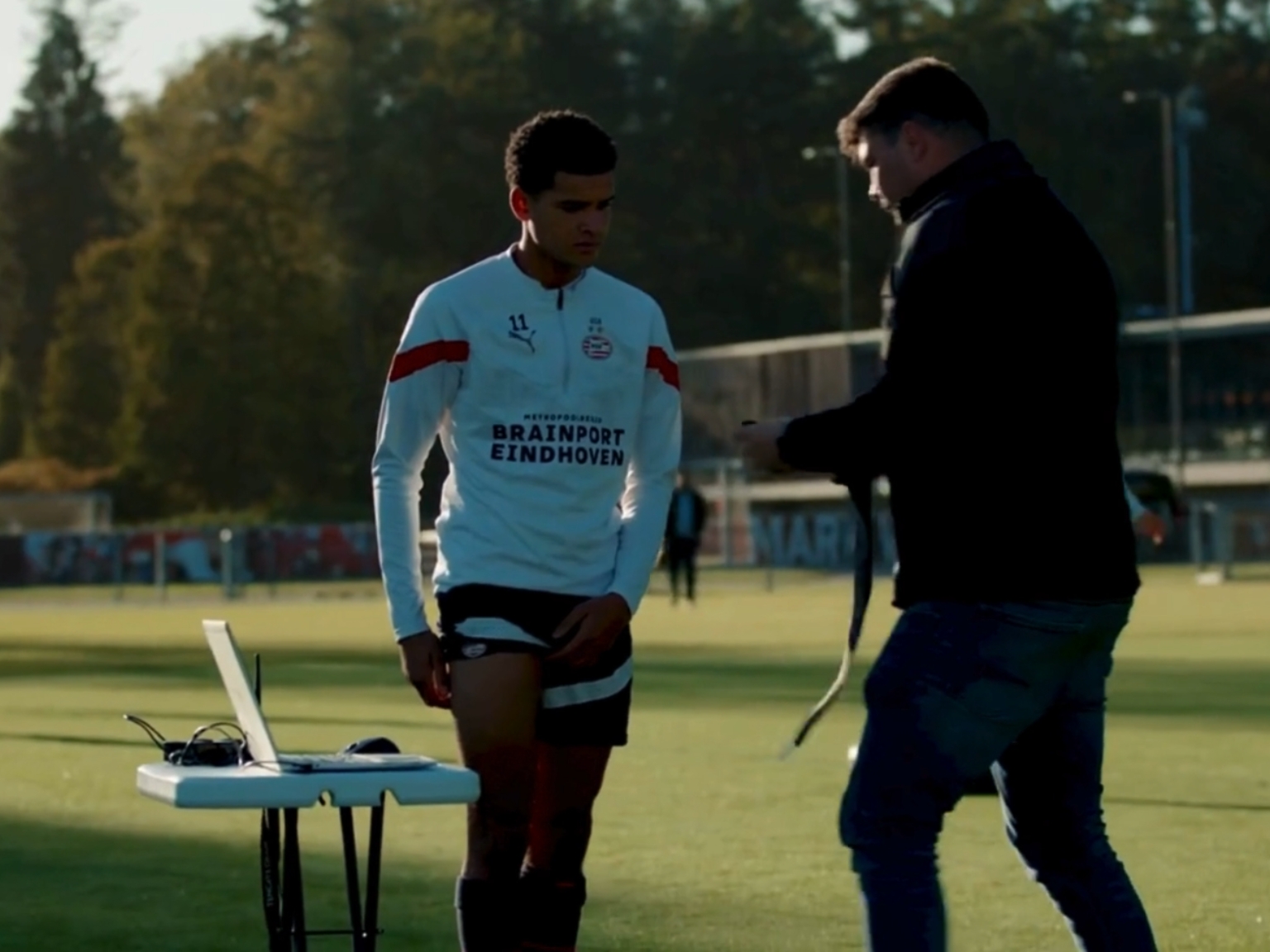
Soccer player on a training field being fitted with a monitoring strap by a staff member, with a laptop set up on a table nearby.
Research becomes useful when it changes design. CTI combines research and testing with in house manufacturing capabilities, allowing new yarns, materials and surface constructions to be prototyped and evaluated.

Findings can lead to another design, another prototype and another round of testing. Pure PT™, for example, went through more than fifty design iterations and four years of development, informed by player feedback, biomechanical measurements and extensive testing. The process is deliberately iterative: measure, learn, adjust and test again.

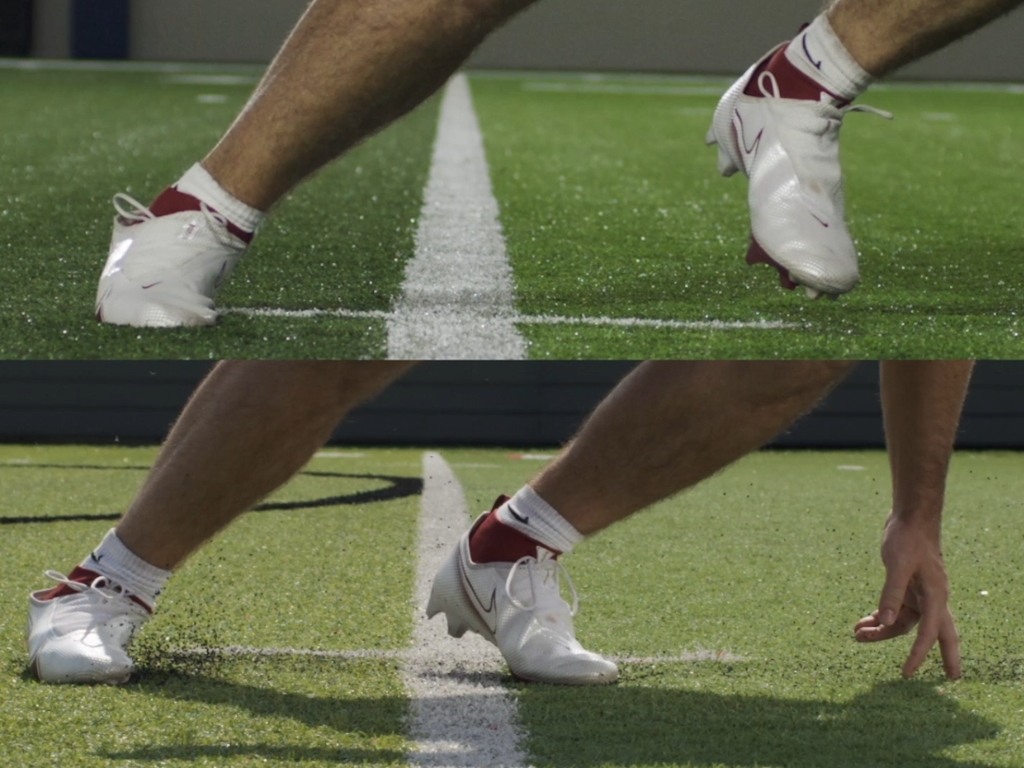
Close-up comparison of an athlete’s footwork on two types of artificial turf surfaces, showing the shoe contacting the ground and infill being displaced.
Validation takes CTI beyond the laboratory. At the TenCate FieldLab at PSV Academy, surfaces can be evaluated during real training. Players, coaches and specialists provide feedback while researchers measure how surfaces behave under realistic sporting loads. Research also travels to the field.

Through the mobile CTI, measurements can be carried out on surfaces across Europe and other parts of the world. This allows researchers to study fields under different climates, sports, levels of use, maintenance regimes and stages of their functional life. A heavily used community pitch in Northern Europe presents different questions from a professional training surface in Southern Europe. Understanding those differences matters. The field becomes part of the laboratory.

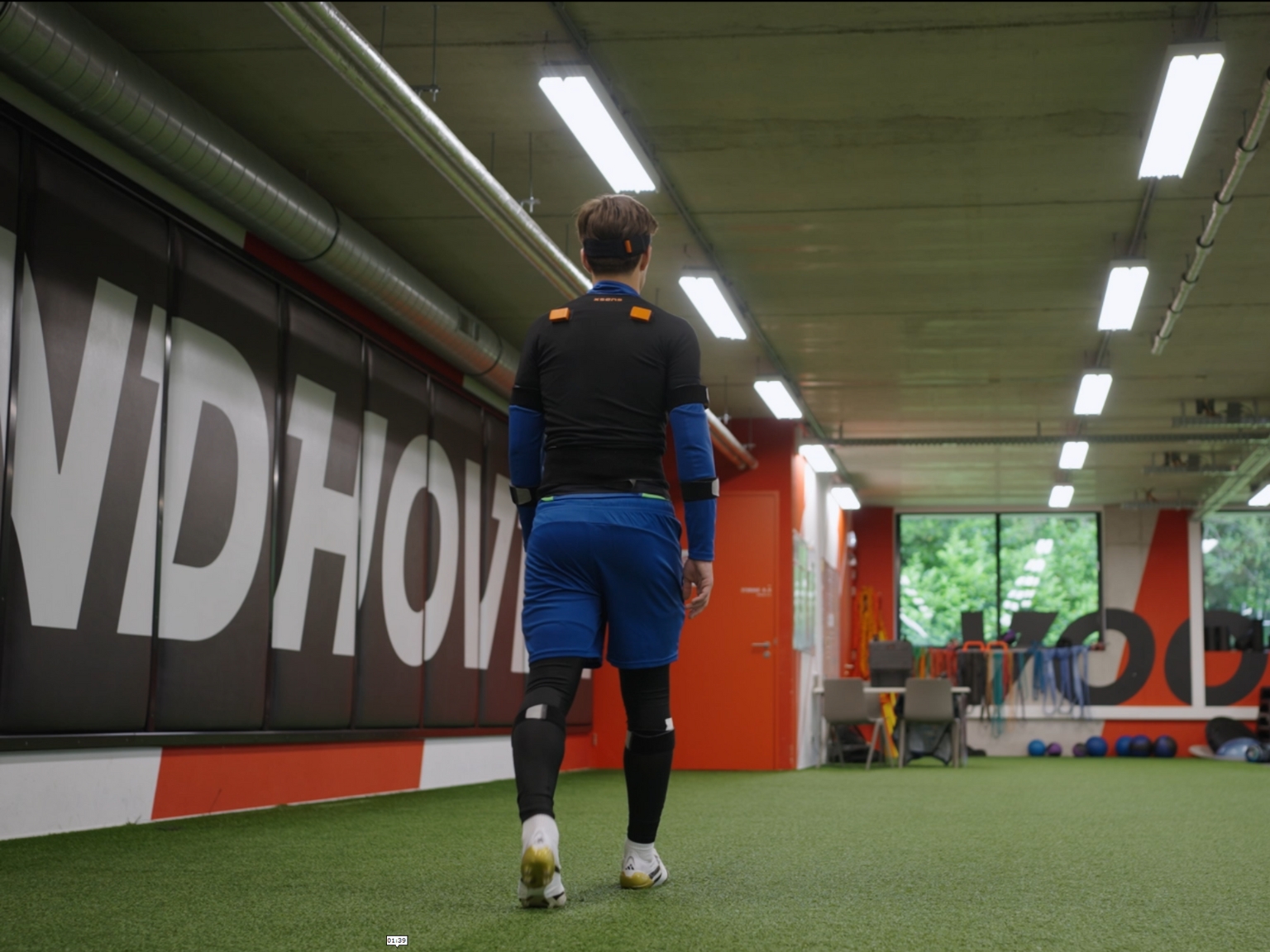
Athlete walking across an indoor artificial turf testing area while wearing motion sensors.
Lab data informs field testing. Player experience challenges assumptions. Measurements from fields around the world provide real world context. Those findings return to the development process. Materials can be reconsidered. Fibre structures can be adjusted. System constructions can be refined. New prototypes can then return to the lab and ultimately to the field. Research therefore does not stop when a product is introduced. Learning continues as surfaces are used.

This video cannot be loaded without your cookie consent.

TenCate FieldLab at PSV Academy

Since 2020, TenCate and PSV have worked together to extend research from the laboratory into a professional football environment. At the PSV Academy in Eindhoven, new surface concepts can be evaluated during real training. This allows measurements and player feedback to be collected under the movements, intensity and conditions found in everyday football. The FieldLab connects controlled research with the reality of the playing field and provides another source of data for the continuous development of surfaces.

Keep testing. Keep learning.

A surface changes throughout its functional life. Athletes use it differently. Weather changes. Maintenance varies. Materials respond to repeated load.

Understanding those changes requires research that continues beyond the laboratory and beyond product introduction.

That is the role of the Center for Turf Innovation: measure, test, validate, learn and use that knowledge to improve the next surface.