OUR WHY

Innovation

Innovation starts with understanding.

How does an athlete move on a surface? How do fibers respond under repeated load? What changes across seasons and years of use? Research at TenCate combines biomechanics, material science, player testing, and field data to answer these questions. The objective is to understand what determines performance before deciding how a system should be engineered

Understanding the athlete

The interaction between an athlete and a surface happens in fractions of a second. Grip, release, impact attenuation and stability all influence movement.

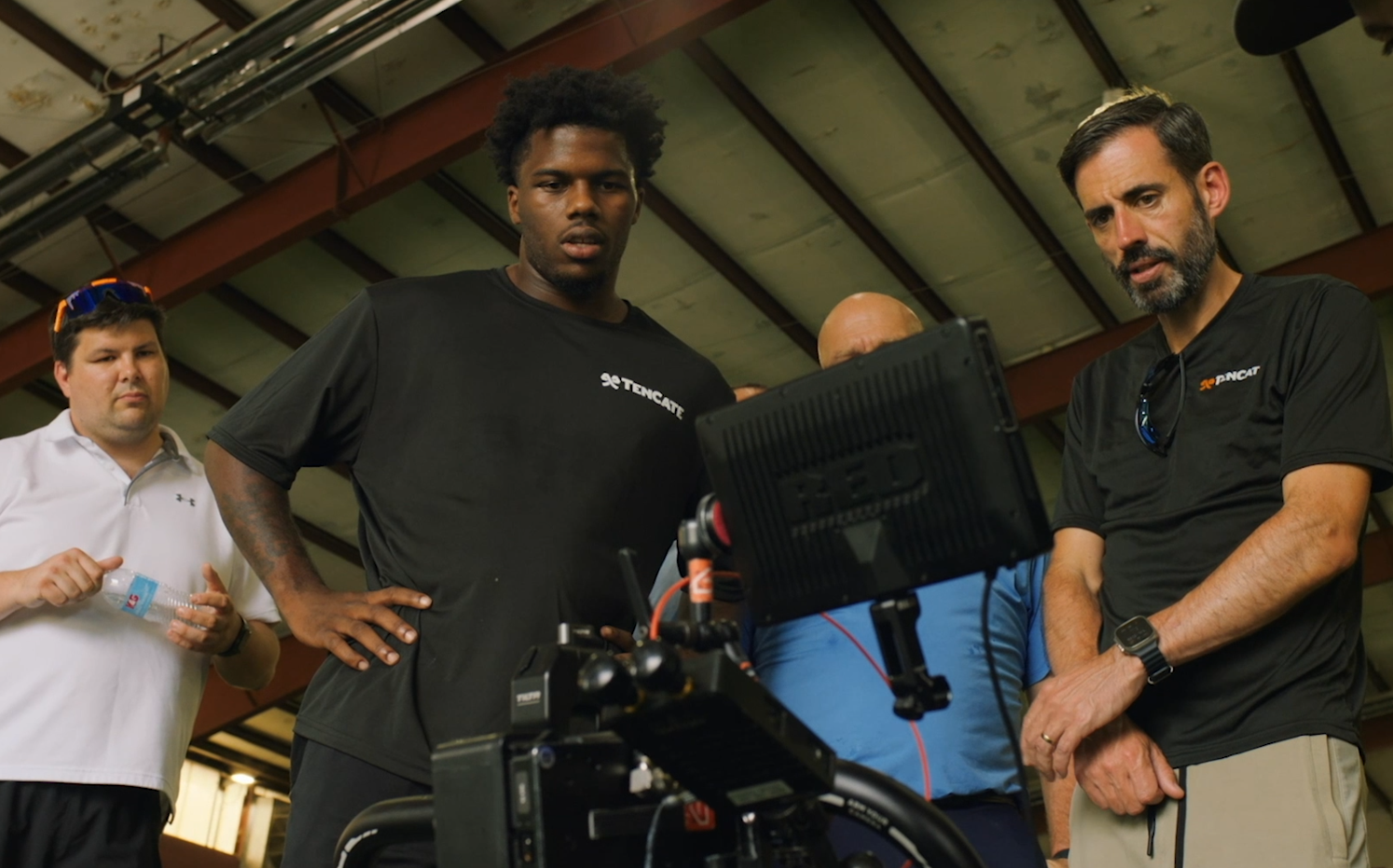
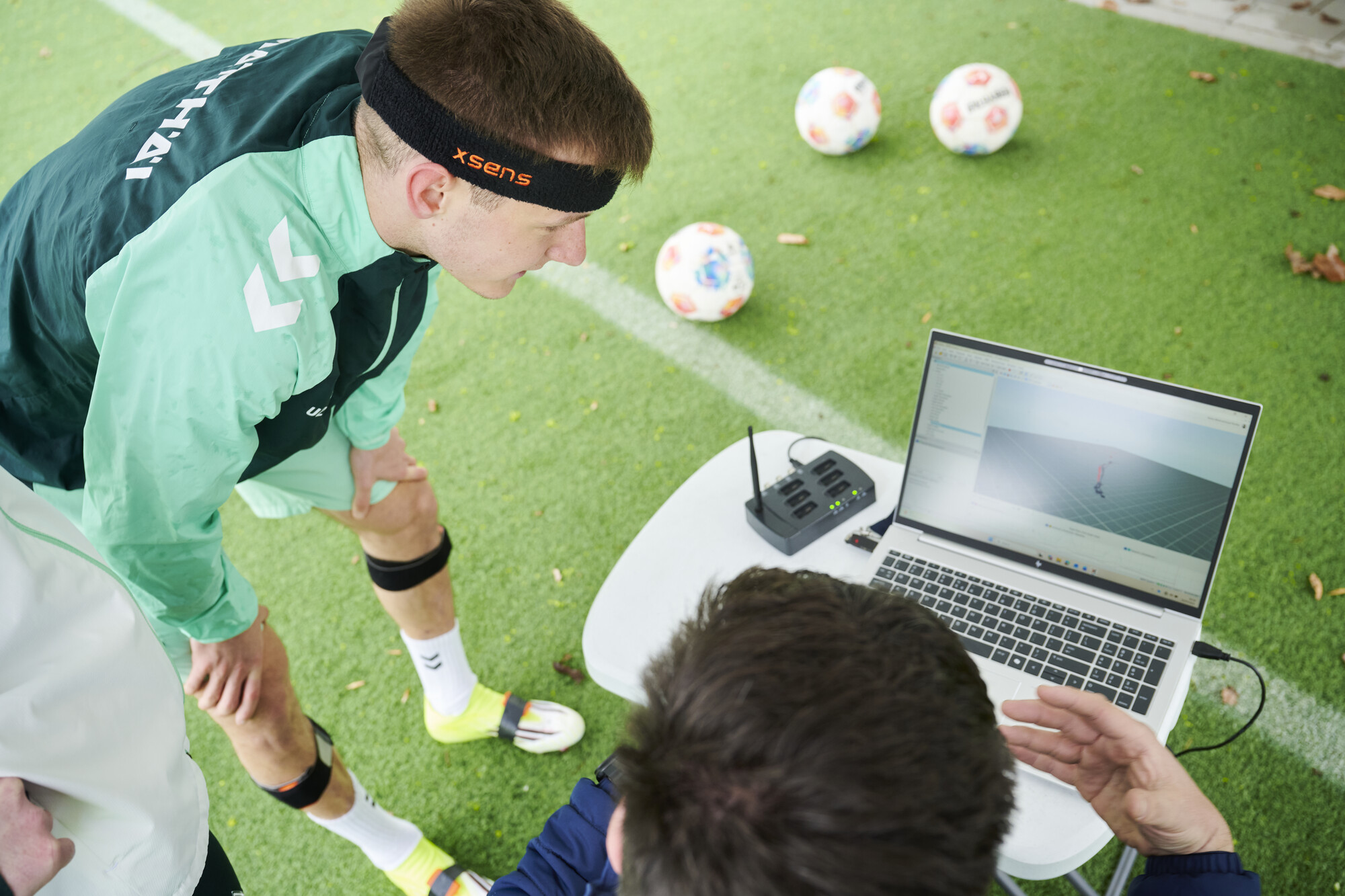
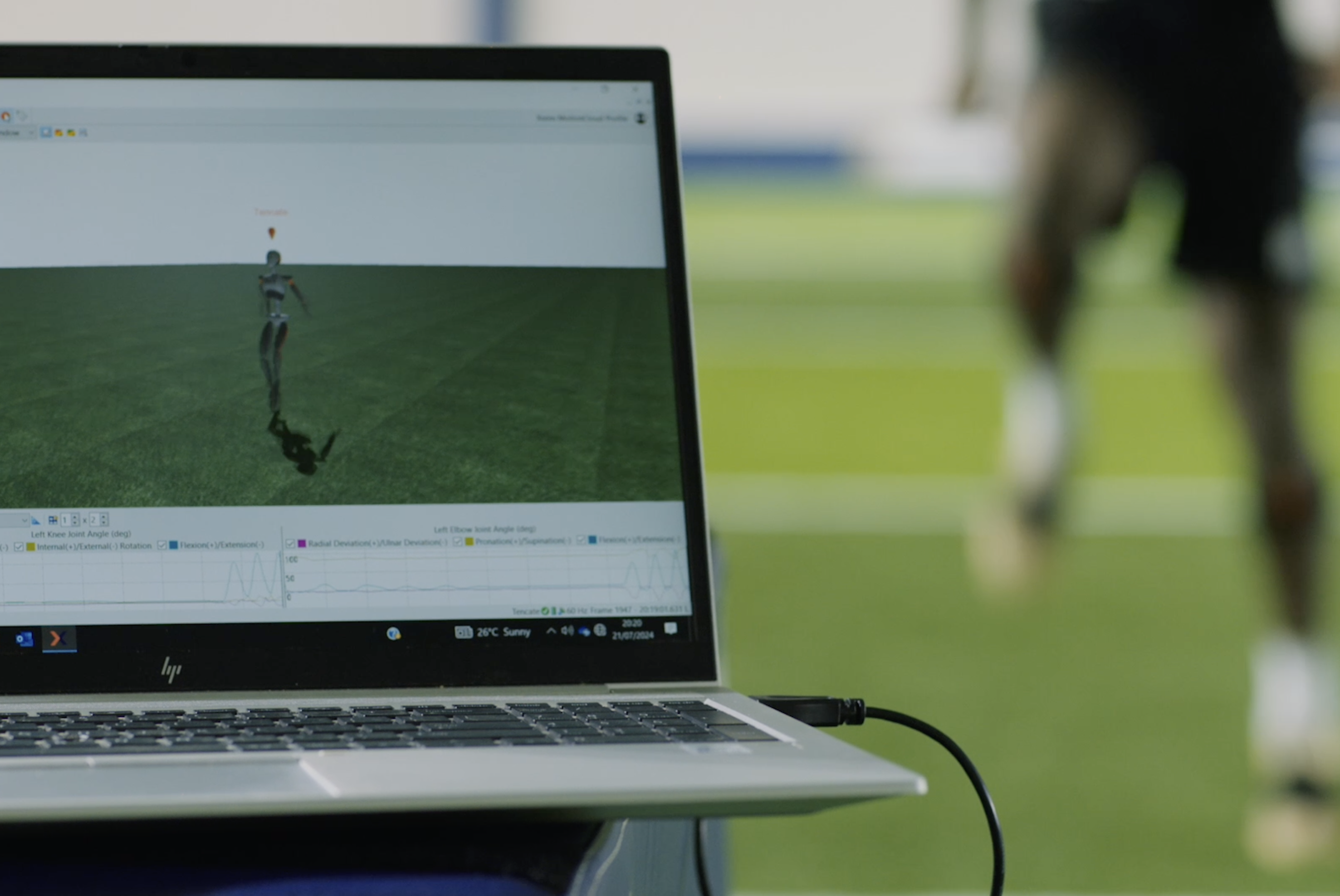
At the Center for Turf Innovation, biomechanics, motion analysis and player feedback are used to study these interactions in detail. High speed video, force measurement, wearable sensors and pressure mapping provide data that conventional surface testing alone cannot capture. The objective is not simply to meet a standard. It is to understand what happens between athlete and surface and use that knowledge to make better design decisions.
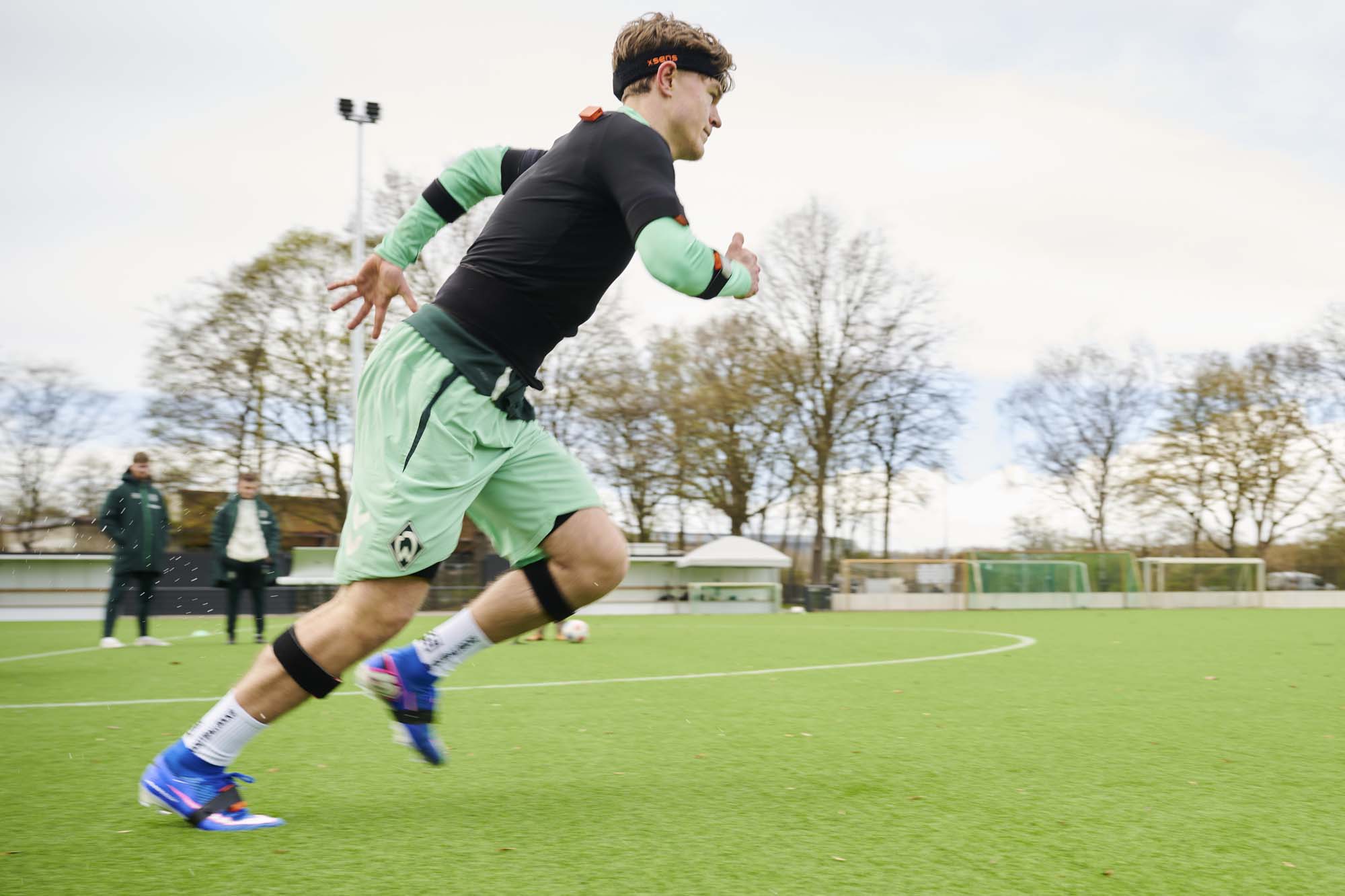
Male player doing running exercises with sensors for CTI
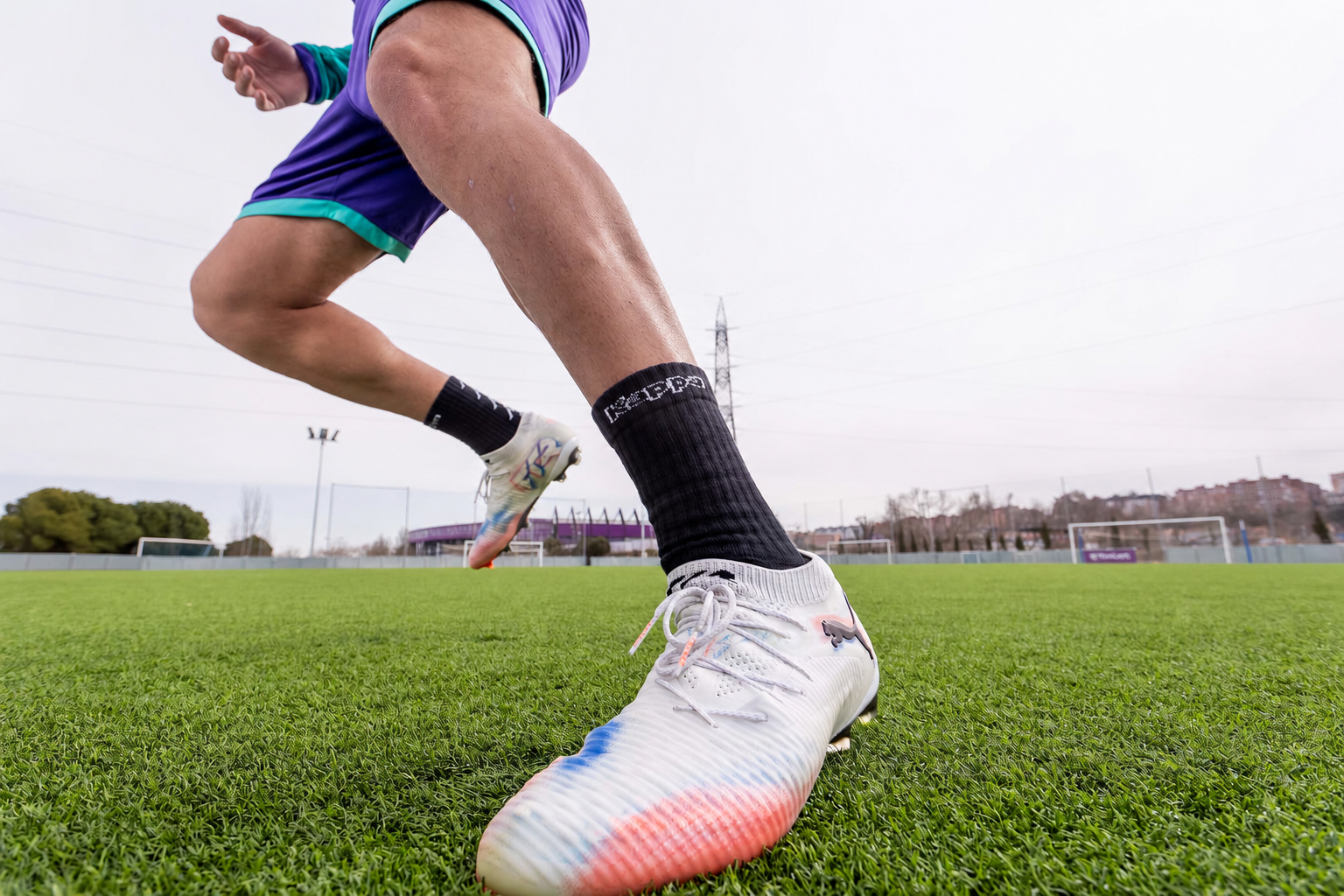
The contact between an athlete and a playing surface lasts fractions of a second, but traction, release, impact attenuation, and stability all influence movement within that moment.
At the Center for Turf Innovation, researchers study these interactions using biomechanics, motion analysis, and direct player feedback. High-speed video, force measurements, and pressure mapping provide evidence that conventional surface testing cannot capture alone.
Standards remain an important benchmark. Understanding how athletes actually interact with turf adds another layer of evidence for surface design.
Football boot and player pivoting on the artificial turf
New turf concepts move through repeated cycles of prototyping, lab testing, and adjustment before being evaluated in real playing environments. Athletes, coaches, and specialists then add something instruments cannot: experience.
Sometimes field data confirms the hypothesis. Sometimes a player response raises a different question. Those findings return to development, and the cycle continues.
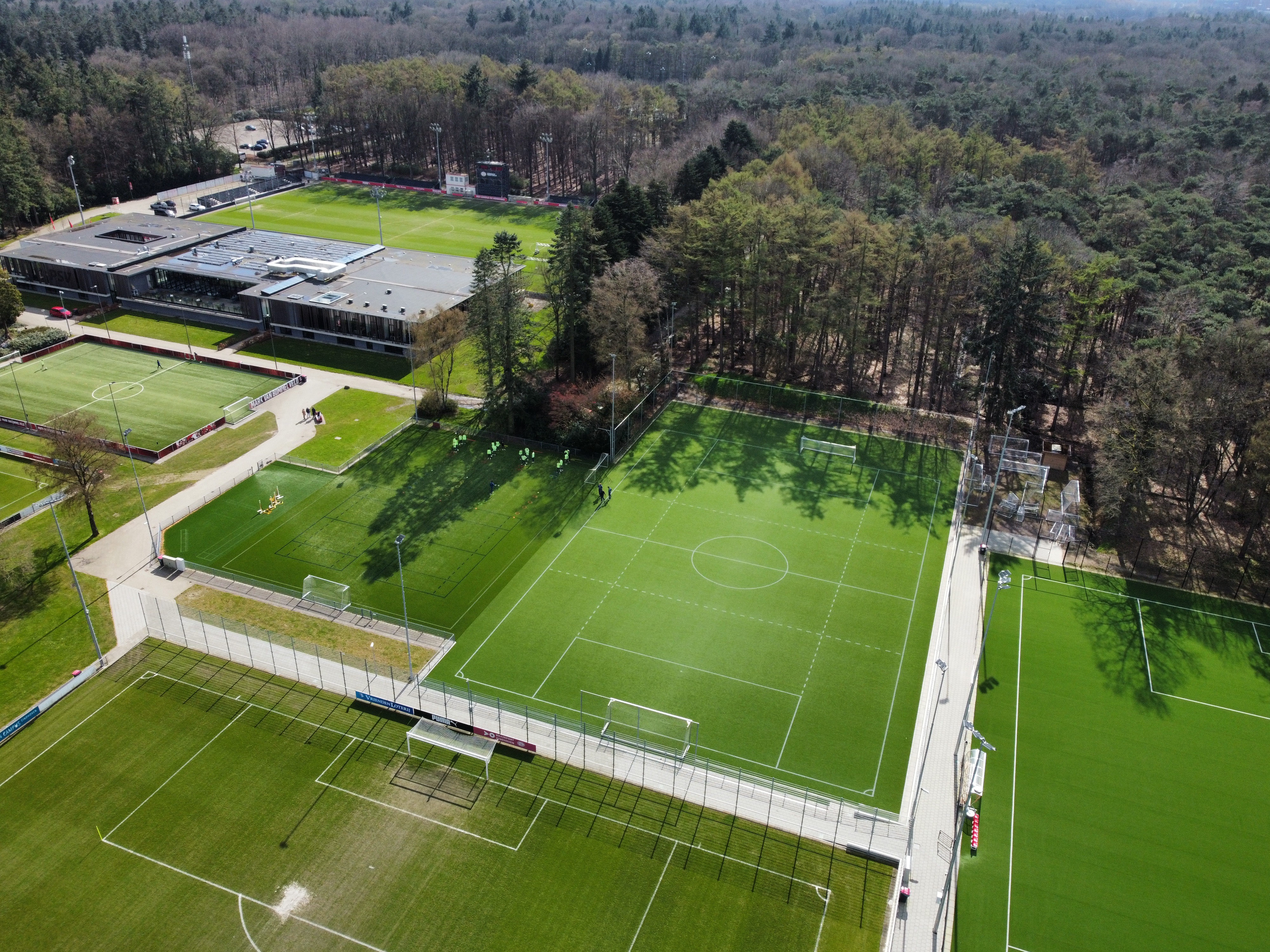
Drone photo of professional sports facilitySports fields do not operate under laboratory conditions. Heat, rainfall, frost, intensive play, and maintenance all influence surface behavior over time.
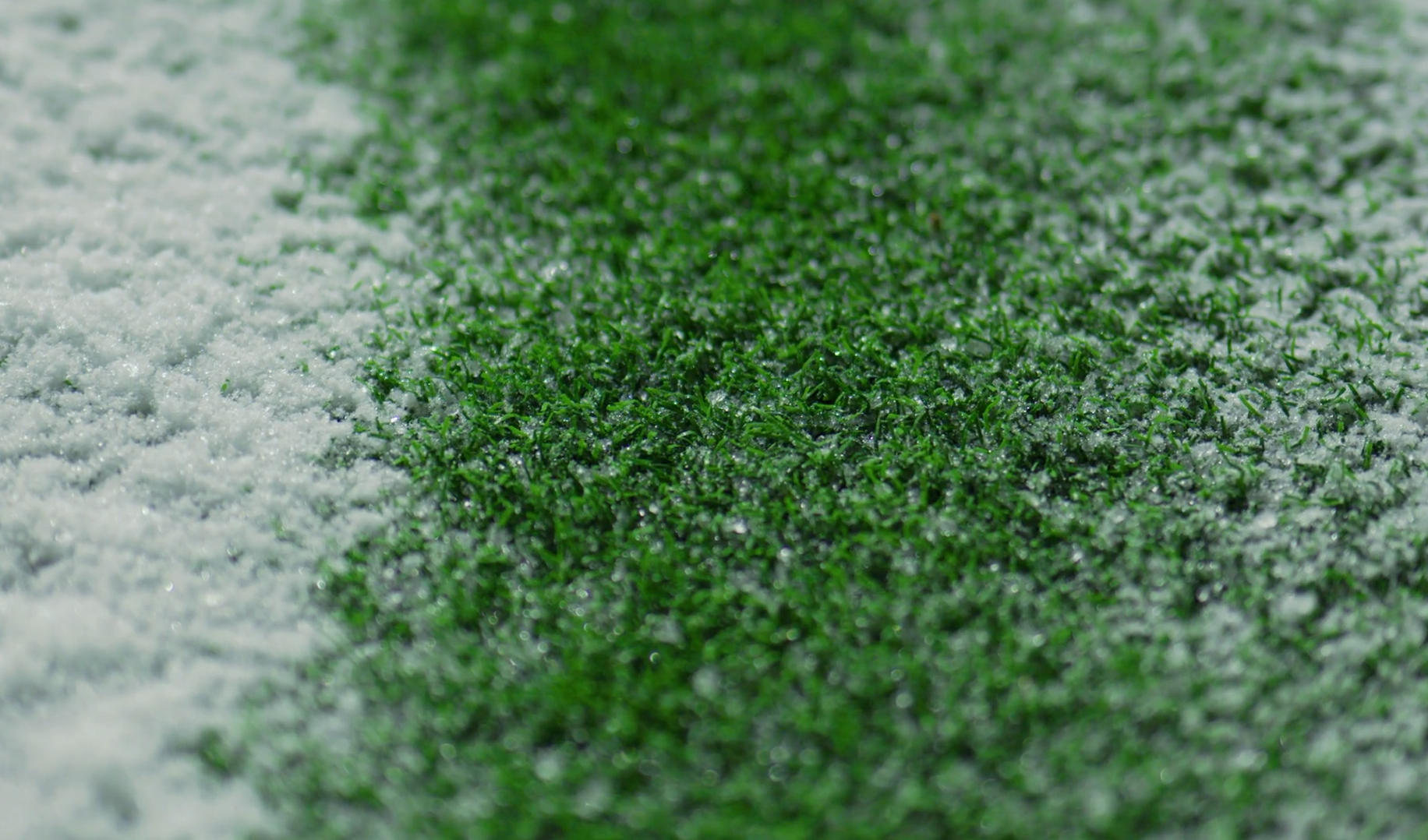
Testing turf systems across different environments helps researchers understand how playing characteristics develop under actual use and where refinement is needed.
The objective is predictable performance and reliable availability across changing conditions.
Close up image of snowy pitch
Not every advance comes from improving an existing turf construction. Sometimes the construction itself needs to be reconsidered.
Pivot® began with a fundamental question: can playing characteristics traditionally created by loose infill be engineered into the turf structure itself?
Its fiber architecture was developed to provide grip, controlled release, and impact attenuation without relying on loose infill.
The development principle remains the same: understand the problem before engineering the solution.
Performance during play comes first. But decisions made during turf development have consequences long after installation.
Material selection influences manufacturing. Construction influences installation and maintenance, material combinations also affect teh options available when a surface reaches teh end of its functional life.
For that reason, end of life considerations increasingly begin during turf design.
Research continues beyond the laboratory. Mobile CTI testing takes sports surface research directly to fields in different regions, climates, and stages of use. Lab data informs field testing. Field measurements show what happens over time. Those findings return to development, and the next question begins. That is how understanding becomes innovation.

Center for Turf Innovation

Testing continues far beyond the laboratory. At the TenCate FieldLab at PSV Academy, surfaces can be evaluated during real training, while the mobile CTI takes research directly to fields across the World.

Testing surfaces where they are actually used provides insight into how they behave under different climates, levels of use, sports and stages of their functional life. Lab data informs field testing. Player experience challenges assumptions. Data from fields around the world adds real-world context. Those findings return to the development process.

That continuous cycle of research, testing and learning keeps development moving.