Smart design with less impact: Partridge Street Reserve
9 May | Whittlesea
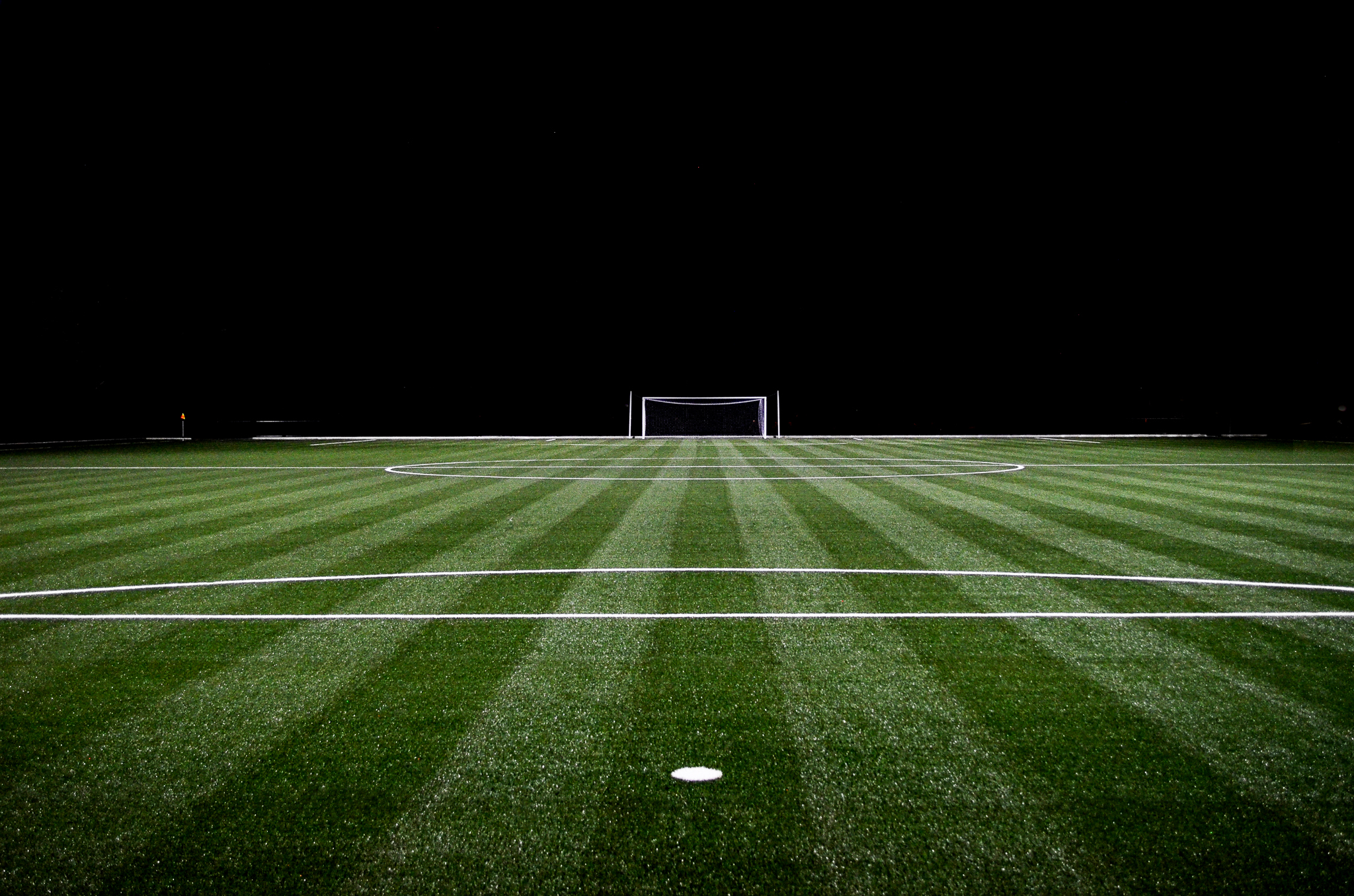
In Lalor, Australia, the City of Whittlesea has delivered a new benchmark in sustainable sports infrastructure. The natural grass field at Partridge Street Reserve has been replaced with a FIFA-certified synthetic turf pitch that combines durability, performance and lower environmental impact. Every part of the system, from base layer to infill, was selected with sustainability in mind.
Ecocept®: Recycled Base, Resilient Performance
At the foundation lies Ecocept®, a patented subbase made from recycled rubber and plastic. More than 100 tonnes of waste were diverted from landfill and put to use under the surface. Ecocept® does more than reduce waste. It improves shock absorption, extends turf lifespan and reduces the need for heavy earthworks lowering emissions and total project impact.
Natural Infill from Olive Pits
Instead of synthetic or rubber-based infill, the field uses Elia Renufill, made from olive pits. This natural infill provides grip, ball control and player comfort, with the added benefit of:
- Lower surface temperatures
- Zero microplastics
- No harmful emissions
- Full biodegradability
Sustainable from Start to Finish
From LED lighting and recycled drainage systems to integration in the surrounding park, the entire project was designed with environmental performance in mind.
A TenCate Project Delivered by TigerTurf
TigerTurf, part of the TenCate Group, led the design and installation of the field. Their experience in sustainable turf development ensured a system that meets performance expectations while lowering impact. Partridge Street Reserve shows how infrastructure can evolve. With the right materials and decisions, a field becomes more than a place to play, it becomes part of a more sustainable future.