Built for today: Werder Bremen's new performance centre
About two years ago, Werder Bremen decided to invest in a new performance centre. Not driven by aesthetics or prestige, but by what 190 training hours a week across multiple squads actually demands from a surface, and what the old infrastructure could no longer reliably provide.
On 19 March, TenCate hosted more than 60 professionals from across the sports construction industry at Werder Bremen's Weserstadion. Peter Rengel, project manager for the new pitches, opened the event and closed with an exclusive tour of the Weserstadion, giving participants a rare look behind the scenes of one of German football's most recognisable grounds.
Other speakers included Ralph Teunissen and Oliver Schimmelpfennig from TenCate, Tobias Knoll from Geo3, and Martin Fehringer, Michael Tonert and Erik Maack from Weitzel Sportstättenbau.
The club's perspective
Tarek Brauer, Managing Director Organisation & Personnel at SV Werder Bremen, was direct about the strategic stakes. Staying competitive in the future in the Bundesliga requires the infrastructure to attract, develop, and retain players over time. The performance centre is central to that. Not a luxury project. A condition for competing at the highest level.
Oliver Hüsing, former professional football player and now operational director of the performance centre, brought the sports perspective. Training on facilities from the 1960s placed real limits on what was possible. The new infrastructure changes that. Better surfaces, a genuinely competitive training environment, and a measurable difference in attracting and keeping young talent.
The change in practice
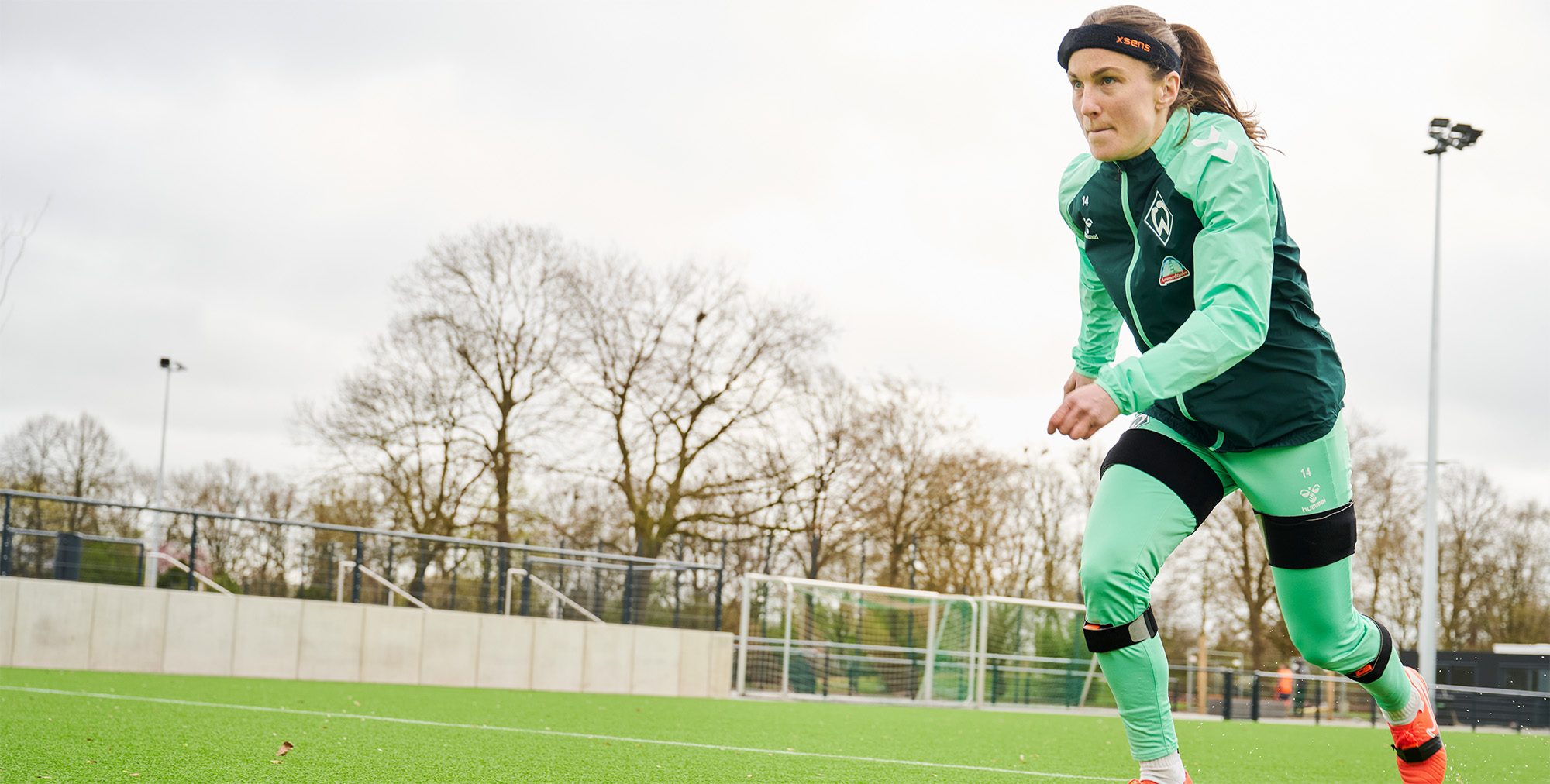
The shift to the newly installed Pure PT fields changed how training load is distributed across a session. Higher intensity became possible. Joint stress came down. Those two things moving in opposite directions don't happen by accident. They happen through system design.
Ralph Teunissen's session covered precisely that: how performance centre surfaces need to be designed as integrated systems, not selected as products. The field is not an isolated element. It's part of how a club develops players.
The numbers that made the case
Oliver Schimmelpfennig presented the economics. A seven-year amortisation period. Reduced maintenance demand. Higher training availability. For a site running close to 190 training hours a week, the cost of underperforming infrastructure isn't just financial. It's measured in training sessions lost, in recovery time extended, in development interrupted.
The site itself
The project came with an added layer of complexity: recurring flood risk. Tobias Knoll of Geo3 walked through how that shaped every planning decision, from drainage systems to infrastructure routing to protection for technical components. Resilience had to be built in from the start, not retrofitted.
Weitzel Sportstättenbau handled execution of the first construction phase. Daily communication between planning, construction and client kept things moving. The second phase is already underway.
Hybrid systems in the professional game
The programme also covered match-day surfaces at professional level. Hybrid pitch systems combine natural grass with a synthetic fibre structure, extending availability and maintaining surface quality across a full match schedule. Karim Ajam from Limonta walked through how these systems are constructed, and Jens Bußmann explained what the FIFA certification process requires.
Time for experiencing the fields
The newly installed Pure PT pitches were the last item on the agenda, and held the group longest. Boots in various sizes. Real conditions. No instruction required. People just played.
That kind of response, from professionals who spend their working lives around sports fields, is a more useful signal than any specification sheet. The surface performed. The feel was right. Getting back inside took longer than planned.
What Bremen shows
A club trading 1960s infrastructure for a system designed around how players actually move in 2026 is not a renovation story. It's a decision about what serious player development requires. The fields are part of that decision. They always were. It just took the right moment to make it visible.